Uteshiya Medicare Insights
Orthopedic Implants & Surgical Innovations Blog
Exploring clinical updates, trauma care advancements, and medical device insights.
Contact UsGlobal Orthopedic Solutions
Clinical Excellence & Technology Articles
CDSCO-approved locking systems & biocompatible implants trusted in 30+ countries.
View Catalogue2026 Top Anterior Clavicle Locking Plate Types for Buyers
Table of Contents
The 2026 market for fracture-fixation devices is becoming more selective, not simply larger. Grand View Research’s Orthopedic Devices Market Report identifies trauma fixation as a major growth segment, while MarketsandMarkets continues to report rising demand for anatomically designed implants. However, these reports combine plates, screws, and other devices. They do not prove that one Anterior Clavicle Locking Plate fits every fracture pattern.
Clinical selection still begins with anatomy. The clavicle curves, twists, and changes thickness along its length. Peter J. Millett, MD, a recognized shoulder and sports-medicine specialist, has described it as “an S-shaped bone with unique anatomy.” That detail matters when comparing superior, anteroinferior, and dual-column plate designs. A plate may look slim on a product page yet sit prominently beneath thin skin.
Small differences matter.
This 2026 buyer’s guide examines leading Anterior Clavicle Locking Plate types through practical criteria: contour accuracy, screw trajectory, fixation strength, soft-tissue profile, radiographic visibility, and instrument completeness. Evidence from the American Academy of Orthopaedic Surgeons’ clinical guidance supports careful consideration of fracture displacement, shortening, and patient activity, rather than relying on a single design preference. Manufacturer brochures can help, but they are not independent evidence.
A limitation deserves attention. Published market forecasts often use broad product categories and varying definitions. Their numbers may not match hospital purchasing data. Buyers should therefore compare verified specifications, regulatory documentation, surgeon experience, and real-world outcomes before choosing a system. The best plate is not always the most complex one.
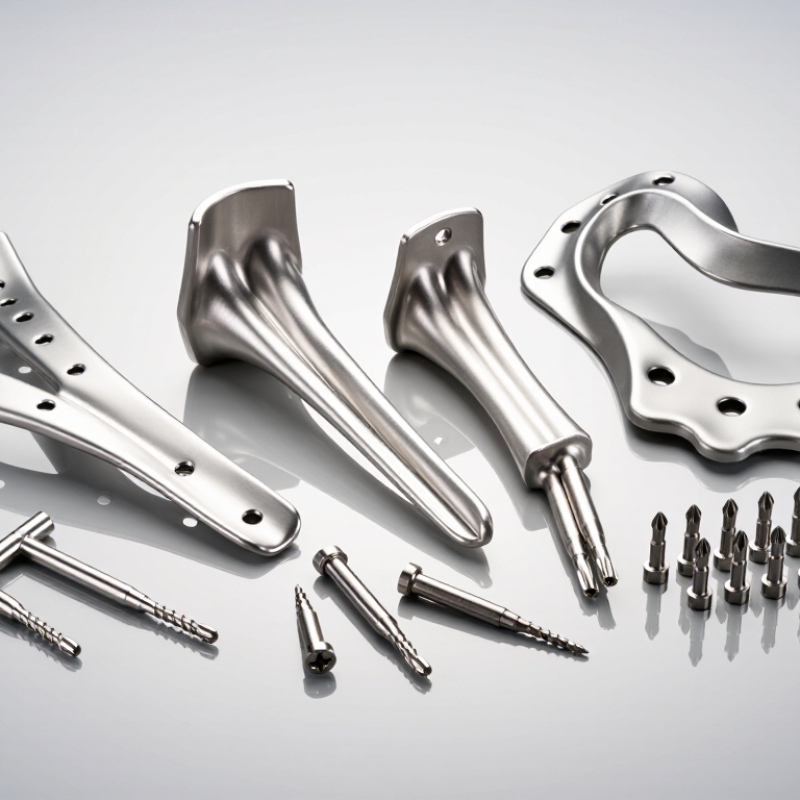
Anterior Clavicle Anatomy and Plate Positioning Principles
2026 Top Anterior Clavicle Locking Plate Types for Buyers
Anterior clavicle anatomy should guide plate selection, not catalog rankings. The clavicle has an S-shaped contour, changing from rounded medially to flatter laterally. Fracture location, comminution, and bone quality influence the required plate length and screw pattern. The subclavian vessels lie beneath the medial and middle thirds, while supraclavicular nerves cross the superficial tissue. Careful exposure matters.
Anterior plates can reduce prominence beneath thin skin, but positioning still requires discipline. The plate should follow the bone’s anterior surface without forcing the fragments into malalignment. Medial holes need safe screw depth. Lateral plates require enough purchase without entering the acromioclavicular joint. Low-profile, pre-contoured, and lateral-extension designs may suit different fracture shapes. In practice, a plate that looks ideal on a template may not match the patient’s anatomy.
Tips: Confirm the fracture pattern with appropriate imaging. Check plate contour before fixation. Use measured screws near the inferior cortex. Recheck shoulder movement and fluoroscopic views. Small contour errors can create pressure points. I have found that “anatomically shaped” does not always mean anatomically accurate. Surgeons should assess each case independently and follow current fixation principles.
Main Types of Anterior Clavicle Locking Plates
Anterior clavicle locking plates are selected by fracture location, bone shape, and soft-tissue tolerance. AAOS clinical guidance identifies displaced midshaft fractures as a major operative group, while epidemiological reviews report that midshaft injuries represent roughly 69–82% of clavicle fractures. For these cases, low-profile anterior-inferior plates are common. Their screw paths aim toward thicker bone and may reduce prominence beneath the skin. Precontoured S-shaped plates better follow the clavicle’s changing anatomy, although individual contours still vary.
Lateral fractures need a different design. Distal clavicle locking plates use several small locking holes to capture short fragments. Some include an extension toward the acromion. This is useful when the lateral fragment is too small for standard screw purchase. Hook plates remain an option for selected unstable fractures, but their subacromial hook can irritate nearby tissue. Removal may be required. That is not a minor purchasing detail.
For medial fractures, anterior plates usually need longer bodies and careful screw angulation near major vessels. Buyers should check hole distribution, available screw diameters, plate thickness, and radiographic compatibility. AO Surgery Reference emphasizes stable fixation, anatomical reduction, and protection of surrounding structures. A 2024 orthopedic device market review also highlights surgeon demand for low-profile, anatomy-specific systems, but market growth does not prove clinical superiority. Fit is still the difficult part. Cadaveric anatomy, imaging quality, and surgeon experience can change the final choice.
Key Design Features and Performance Criteria
For 2026 buyers, anterior clavicle locking plates should be judged by design, not appearance. Common types include low-profile anterior plates, anteroinferior plates, and dual mini-plate constructs. Anterior positioning may reduce skin prominence, especially in thin patients. However, screw length must respect the subclavian vessels and lung. That detail matters.
The 2023 AAOS Clinical Practice Guideline supports operative fixation for selected displaced midshaft fractures, but it does not endorse one plate shape for every patient. Buyers should check variable-angle locking holes, medial and lateral contour accuracy, screw trajectory control, and dedicated suture holes. A plate that accepts independent lag screws can improve fragment compression. In practice, poor contour often creates unnecessary bending and weakens the construct.
Performance testing should include axial loading, torsion, cyclic fatigue, and screw pull-out resistance. Clinical reviews frequently report implant removal rates near 10% to 30%, often because of prominence or irritation rather than nonunion. That is not a minor purchasing issue. The AO Foundation emphasizes anatomical reduction, stable fixation, and soft-tissue preservation in clavicle reconstruction. Buyers should also request evidence for union rates, reoperation rates, and patient-reported shoulder scores. Laboratory strength alone can mislead. Human anatomy is less cooperative. A useful but imperfect criterion is surgeon handling: predictable instruments, clear sizing, and reliable locking engagement reduce avoidable errors.
How to Compare Plates for Different Fracture Patterns
Anterior clavicle locking plates should be compared by fracture pattern, not only by price or screw count. Robinson’s epidemiological study in Injury reported approximately 69% of clavicle fractures in the midshaft, 28% laterally, and 2% medially. That distribution matters. A long anterior plate may suit a simple, displaced midshaft fracture, but it can be excessive for a short lateral fragment.
For multifragmentary midshaft injuries, buyers should examine plate length, hole density, and screw-angle options. More fixation points can improve control, yet excessive stiffness may complicate contouring and soft-tissue clearance. The 2023 American Academy of Orthopaedic Surgeons guideline supports operative fixation for selected displaced midshaft fractures, while noting that patient selection remains important. It does not support a universal plate design. That distinction is often missed.
Lateral-end fractures require closer inspection. Look for distal holes that accept several small locking screws, because the lateral fragment may be short and fragile. For medial or anterior fractures, a low-profile plate with adaptable contouring can reduce prominence near the sternoclavicular region. A 2022 systematic review in the Journal of Shoulder and Elbow Surgery found that fixation generally improves union in selected displaced fractures, but functional differences are less dramatic. More screws are not always better. I would also check radiographs, not just catalogue diagrams. Plate fit can change with patient anatomy, and this is where comparison becomes imperfect.
2026 Top Anterior Clavicle Locking Plate Types for Buyers - How to Compare Plates for Different Fracture Patterns
| Plate configuration | Typical fracture pattern | Design features to compare | Potential advantages | Key limitations and checks |
|---|---|---|---|---|
| Precontoured superior locking plate | Midshaft fractures, including simple transverse or oblique patterns and selected comminuted fractures. | Plate contour and length; available screw-hole positions; locking and non-locking options; plate profile and left/right availability. | A familiar superior position with options for fixed-angle screw fixation. Precontouring may reduce the need for intraoperative bending when the fit is suitable. | Clavicle shape varies between patients, so precontouring does not guarantee a fit. Superior prominence and soft-tissue irritation are considerations; confirm plate length and screw trajectories. |
| Anterior-inferior locking plate | Selected midshaft fractures where an anterior-inferior plate position is preferred by the treating surgeon. | Contour, plate thickness, hole spacing, locking-hole direction, and available screw lengths. | Provides an alternative plate position to a superior construct and may offer different soft-tissue and screw-placement characteristics. | Position-specific anatomy and screw paths must be assessed. Compare the implant’s intended placement and permitted screw directions with the planned reduction and imaging. |
| Straight or bendable locking compression plate | Midshaft fractures when a straight plate or surgeon-adjusted contour is appropriate. | Plate material and thickness; hole type; permissible contouring; locking capability; available lengths. | A straight plate can be adapted to anatomy when its instructions for use permit contouring. Combination holes may allow different screw choices, depending on the design. | Not every plate is designed for repeated or substantial bending. Contouring can affect mechanical properties or locking-hole function; follow the device instructions and avoid unsupported modifications. |
| Distal clavicle locking plate | Selected lateral-end fractures, particularly patterns with a short distal fragment that may not accept multiple conventional screws. | Distal footprint; number, size, and direction of lateral locking holes; plate orientation; shaft-hole options; compatibility with the intended screw system. | Multiple divergent locking-screw paths can help capture a small distal fragment when the anatomy and fracture pattern allow. | Distal fragment size, bone quality, and proximity to the acromioclavicular joint affect fixation options. Confirm that the plate can be positioned without unacceptable joint or soft-tissue encroachment. |
| Medial-end clavicle plate | Selected medial clavicle fractures when plate fixation is indicated and adequate fixation can be achieved. | Medial contour; plate length; screw-hole layout; screw trajectory options; implant profile. | A purpose-designed contour and hole layout may better accommodate the medial clavicle than a generic straight plate. | The medial clavicle is close to important underlying structures, and the medial fragment may be limited in size. Preoperative planning and careful control of screw length and trajectory are essential. |
| Low-profile orthogonal dual-plate construct | Selected complex or comminuted midshaft fractures where the surgeon considers supplemental fixation necessary. | Plate dimensions and orientation; screw-hole positions; combined construct profile; compatibility of plates and screws. | Two plates in different orientations can provide additional fixation options and may help address specific fragment-control needs. | Requires more implants and careful planning of screw paths, plate fit, and soft-tissue coverage. It is not necessary for every comminuted fracture; selection is case-specific. |
Comparison note: Plate selection depends on fracture location and morphology, fragment size, bone quality, patient anatomy, and the treating surgeon’s plan. Features and indications vary by device; verify dimensions, material, screw compatibility, contouring limits, and instructions for use for the specific implant. This table is for general product comparison and is not a treatment recommendation.
Buyer Checklist for Selecting a 2026 Clavicle Plate System
A buyer checklist for a 2026 anterior clavicle locking plate system should begin with anatomy, not price.
Confirm left and right options, plate lengths, contour accuracy, and anterior positioning. The plate should offer stable locking fixation without excessive prominence under thin skin. Check screw diameter, variable-angle capability, insertion depth, and compatibility with common imaging methods. Small details matter.
Clinical evidence deserves equal attention. The AAOS 2023 Clinical Practice Guideline reports stronger union outcomes for surgery in selected displaced midshaft fractures, but long-term functional differences may narrow.
The Canadian Orthopaedic Trauma Society trial reported nonunion rates near 3% with plate fixation versus 14% with nonoperative care. These figures support careful indication, not automatic surgery.
Ask suppliers for published clinical data, adverse-event reporting, sterilization validation, and regulatory documentation.
Review the instruments in a real operating-room simulation. Can the plate be positioned through a limited incision? Do drill guides lock firmly? Are screw lengths clearly marked?
Inventory planning also matters. Too many lengths create waste; too few create intraoperative compromise. I would question any system promising universal fit.
Clavicles vary more than catalog images suggest. Surgeon feedback, radiographic follow-up, and documented revision experience should influence purchasing decisions. The checklist is useful, but it is not perfect.
FAQS
Check contour accuracy, variable-angle locking holes, controlled screw paths, and dedicated suture holes. A good fit matters. Independent lag-screw support may improve fragment compression.
It may reduce skin prominence, especially in thin patients. However, anatomy varies, and the result is not guaranteed. Low-profile designs can still irritate soft tissue.
Screw length must protect nearby vessels and the lung. Review screw trajectories carefully before selection. Longer is not always safer.
A longer anterior plate may suit a simple, displaced midshaft pattern. Confirm that its contour matches the patient’s clavicle. Do not choose by length alone.
Examine plate length, hole density, and available screw angles. More fixation points may improve fragment control. Too much stiffness can complicate contouring and soft-tissue clearance.
Look for several small locking screws near the distal end. Short lateral fragments need controlled fixation. A long plate may be excessive.
Consider a low-profile plate with adaptable contouring. This may reduce prominence near the sternoclavicular region. Radiographs are more useful than catalogue images alone.
Request axial-loading, torsion, cyclic-fatigue, and screw pull-out data. Also request union, reoperation, and patient-reported shoulder outcomes. Laboratory strength can mislead.
It is important but difficult to measure perfectly. Clear sizing, predictable instruments, and reliable locking engagement may reduce avoidable errors. Human anatomy remains unpredictable.
No. More screws are not always better. Excessive fixation can increase stiffness, contouring difficulty, and soft-tissue concerns. Match fixation to the fracture pattern.
Conclusion
This guide explains how to evaluate an Anterior Clavicle Locking Plate system for 2026 purchasing decisions. It begins with anterior clavicle anatomy and positioning principles, emphasizing plate placement that supports fracture stability while respecting soft-tissue coverage and nearby anatomical structures. It then reviews major plate types, including designs suited to midshaft, distal, comminuted, and more complex fracture patterns. Key design considerations include anatomical contouring, locking-hole configuration, screw direction, plate profile, fixation strength, material quality, and intraoperative flexibility.
The comparison framework helps buyers match plate geometry and fixation options to different fracture characteristics, bone quality, and surgical requirements. A practical buyer checklist covers product range, size availability, instrumentation, compatibility, sterilization workflow, documentation, quality controls, and overall cost-effectiveness. By assessing both clinical performance criteria and procurement needs, buyers can select a reliable clavicle fixation system that balances stability, ease of use, anatomical fit, and procedural efficiency.
Blog Tags: