Blog
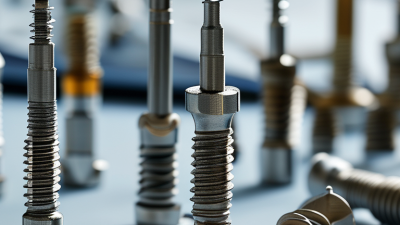
Top 10 Pedicle Screw System Suppliers Worldwide?
Choosing among the Top 10 Pedicle Screw System Suppliers Worldwide requires more than comparing brand recognition. Surgical teams must examine implant design, material quality, instrument compatibility, clinical evidence, and manufacturing consistency.
A Pedicle Screw System may include polyaxial screws, rods, tulip heads, locking caps, and specialized insertion tools. Small details matter. Thread geometry affects purchase in different bone conditions. Rod contouring influences alignment. Instrument grip can affect control during a demanding procedure. These points become visible in the operating room, not only in a supplier brochure.
Spine surgeon Dr. Alexander R. Vaccaro is often associated with the practical reminder, “Treat the patient, not the X-ray.” That principle remains important when evaluating global suppliers. A technically advanced system still requires appropriate patient selection, careful planning, and trained clinical use.
This guide compares leading manufacturers through an evidence-focused lens. It considers product breadth, surgeon experience, quality systems, research support, distribution capability, and responsiveness after purchase. Public rankings are never perfect. Market data changes, regional availability differs, and supplier claims may require independent verification.
Buyers should review regulatory documentation, sterilization information, traceability records, and published clinical outcomes. They should also assess how easily the system integrates with imaging, navigation, and existing operating-room workflows. A lower purchase price may not represent lower total cost. Training, inventory requirements, revision support, and instrument durability can change the final decision.
The strongest supplier is not always the largest. It is the one that consistently supports safe, precise, and reproducible spinal procedures. That judgment deserves careful comparison.
Read more »
 By:Clara
- September 11, 2026
By:Clara
- September 11, 2026
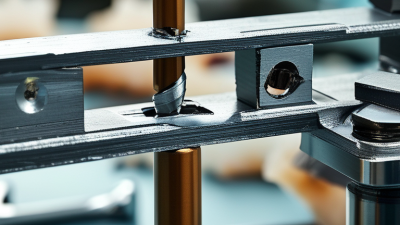
What Is a Locking Compression Plate?
A Locking Compression Plate is a specialized orthopedic implant designed to stabilize fractured bones while supporting controlled healing. Unlike a conventional plate, its screws lock into threaded holes in the plate. This connection creates a fixed-angle construct. The plate can therefore function as an internal splint, especially when bone quality is poor or fracture fragments are difficult to compress.
Professor Stephan Perren, a leading authority in fracture healing, is widely associated with the principle, “Respect the biology of the fracture.” That reminder remains important. A Locking Compression Plate does not replace accurate reduction, careful soft-tissue handling, or sound postoperative planning. It only provides a mechanical option. The surgeon must still decide whether compression, bridging, or a combination of techniques suits the fracture pattern.
This article will examine how the plate works, when surgeons may select it, and where its limitations become clear. A typical example is a comminuted distal femur fracture, where several small fragments cannot safely hold standard screws. The plate may span the damaged zone while preserving local blood supply. Small details matter, including screw direction, plate length, working distance, and bone contact.
The technology is powerful. It is not magic. Excessive stiffness can also affect healing. This point is sometimes overlooked. Good outcomes depend on matching construct stability with biological conditions, patient activity, and fracture behavior. Readers should view the Locking Compression Plate as part of a complete treatment strategy, not as a universal answer.
Read more »
By:Clara
- September 11, 2026
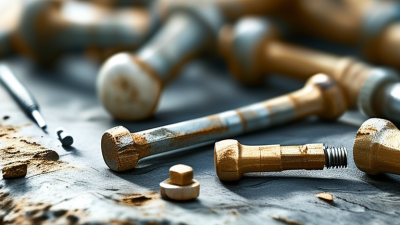
10 Tips for Choosing Orthopedic Trauma Implants
Choosing Orthopedic Trauma Implants is a clinical decision, not a simple purchasing exercise. Road traffic injuries cause approximately 1.19 million deaths and 20–50 million nonfatal injuries each year, according to the World Health Organization’s Global Status Report on Road Safety 2023. Many survivors require fracture fixation, reconstruction, or staged treatment. In older patients, falls and fragile bone create different demands. The International Osteoporosis Foundation reports that osteoporosis causes millions of fractures worldwide, with a fracture occurring roughly every three seconds. These figures show the scale. They do not identify the best implant for every patient.
A reliable selection process must connect evidence with operating-room reality. Surgeons should examine fracture pattern, bone quality, soft-tissue condition, reduction strategy, and expected loading. A plate that performs well in a laboratory may be difficult to contour during a midnight trauma procedure. Screw trajectory, instrument handling, fluoroscopic visibility, and tray completeness can affect outcomes. Material choice, locking technology, fatigue strength, sterilization compatibility, and supplier traceability also deserve careful review. Small details matter.
No implant is universally best. Evidence can be limited, inconsistent, or influenced by short follow-up periods. That limitation deserves honest attention. Published studies, regulatory documentation, post-market surveillance, and local clinical experience should be considered together. This guide presents ten practical tips for comparing Orthopedic Trauma Implants more responsibly. It focuses on patient safety, biomechanical suitability, workflow efficiency, and long-term value. Cost matters, but the cheapest system may create hidden expenses through revision surgery, delays, or unused instruments. Good decisions remain specific, documented, and open to reassessment.
Read more »
 By:Evelyn
- September 11, 2026
By:Evelyn
- September 11, 2026