Choosing a reliable Occipitocervical System manufacturer requires more than comparing product catalogs or market visibility. These implants support complex cervical reconstruction, where fixation accuracy, material quality, and surgical compatibility can influence patient safety. This article introduces ten leading manufacturers worldwide and examines the factors behind their reputation.
The comparison considers implant design, instrumentation, manufacturing consistency, clinical experience, regulatory documentation, and surgeon feedback. Attention is also given to titanium alloys, screw options, rods, connectors, and intraoperative handling. Small details matter. A smooth locking mechanism may save valuable operating-room time. Clear sizing guides can reduce avoidable confusion during preoperative planning.
Market presence alone is not enough. A respected manufacturer should demonstrate traceable production, quality-control procedures, and dependable technical support. Published evidence, regulatory approvals, hospital adoption, and transparent company information provide stronger evaluation points. However, global rankings remain imperfect because available data differs between regions and manufacturers. Some firms disclose extensive clinical information, while others provide limited public evidence.
This overview is intended for medical professionals, procurement teams, researchers, and healthcare decision-makers seeking a balanced starting point. It does not replace surgeon judgment, patient-specific assessment, or institutional approval. The most suitable Occipitocervical System depends on anatomy, surgical technique, pathology, and local regulatory requirements. Careful review remains essential. Even a well-known brand may not fit every case.
Definition and Scope of Occipitocervical Systems
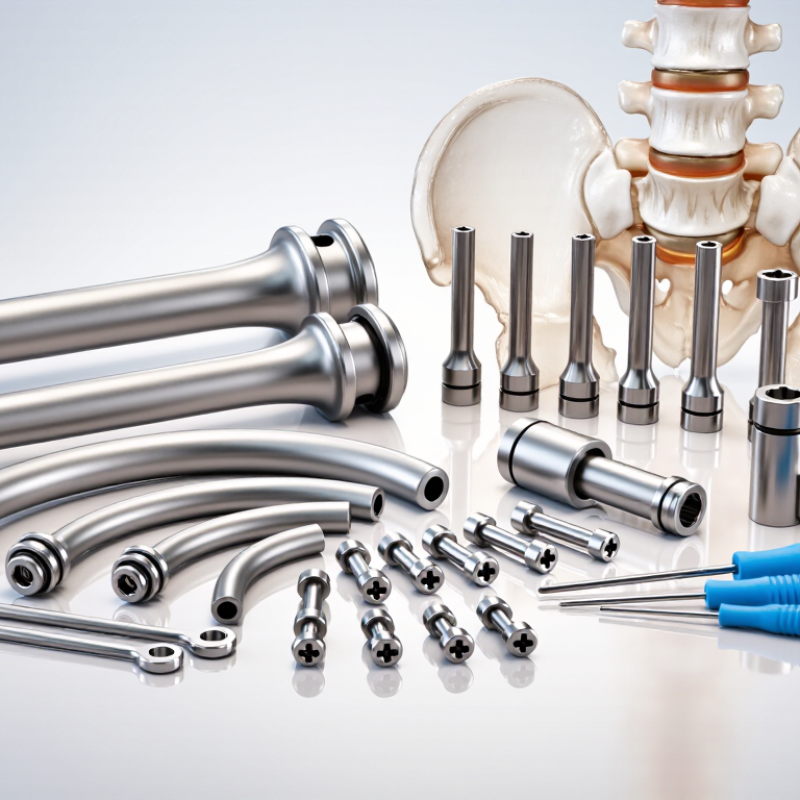
Occipitocervical systems are medical devices designed to stabilize the junction between the skull and upper cervical spine. This region includes the occiput, atlas, and axis. It supports head movement while protecting nearby neural structures. A system may include plates, rods, screws, connectors, and bone-grafting materials. These components work together to limit harmful motion during healing.
The scope is broader than a product list. It includes system design, fixation methods, surgical compatibility, imaging needs, and postoperative assessment. Clinicians may consider these systems for instability caused by trauma, deformity, infection, tumors, or selected degenerative conditions. Patient anatomy matters greatly. A small occipital bone area can restrict screw placement, while unusual vertebral arteries may increase planning complexity. In practice, the boundary is not always neat. Some cervical implants overlap with occipitocervical applications, so catalog labels alone can mislead. Reliable evaluation should involve published evidence, anatomical training, regulatory documentation, and careful risk assessment.
Tips: Check the intended anatomy first. Review implant dimensions, fixation angles, and instrument compatibility. Confirm imaging quality before planning. Do not compare systems by component count alone. Surgical judgment remains essential, and even experienced teams may revise plans after updated scans or intraoperative findings.
Key Criteria for Comparing Global Manufacturers
Comparing global occipitocervical system manufacturers requires more than reviewing market share. The 2024 Fortune Business Insights report valued the global spinal implants market at approximately USD 10 billion in 2023. However, occipitocervical devices represent only a specialized segment. Market size alone cannot prove clinical reliability.
Evidence should lead the comparison. Examine peer-reviewed fusion rates, revision data, follow-up duration, and patient selection. Check whether constructs meet ASTM F1717 fatigue-testing methods and whether manufacturing follows ISO 13485 controls. The FDA’s MAUDE database can reveal reported device problems, although it cannot establish causation. That limitation matters. A low report count may reflect limited use, not superior performance.
Fit and usability deserve equal attention. Compare screw diameters, rod angles, reduction options, radiographic visibility, and compatibility with imaging workflows. Instruments should feel controlled in a narrow surgical field, not merely look complete in a catalogue. Evaluate sterilization packaging, lot traceability, global service response, and training records. The 2023 WHO Global Patient Safety Action Plan stresses stronger device surveillance and learning from adverse events. Pricing should include revision risk, inventory waste, and operating-room delays. No scorecard is perfect. Surgeons may still disagree about what “best” means. That disagreement should be documented, not concealed.
Top 10 Occipitocervical System Manufacturers Worldwide
The top 10 occipitocervical system manufacturers worldwide are judged by clinical evidence, engineering quality, and dependable production. These systems stabilize the skull and upper cervical spine after trauma, deformity, or complex reconstruction. Their designs usually include rods, plates, screws, connectors, and occipital fixation points.
A reliable manufacturer supports its products with biomechanical testing, documented material specifications, and clear surgical instructions. Titanium alloys remain common because they offer strength, imaging compatibility, and corrosion resistance. Experienced surgical teams also examine screw angulation, rod contouring, and instrument handling in the operating room. Small details matter. A difficult connector can add unnecessary procedure time.
The strongest global suppliers maintain strict quality systems, traceable batches, and responsive technical support. Regulatory clearance is important, but it does not replace meaningful clinical follow-up. Hospitals should review revision rates, published outcomes, surgeon feedback, and training resources before purchasing. No ranking is flawless. Public data may be uneven, and some manufacturers report more transparently than others. Manufacturing scale can also hide design limitations. A practical top-ten assessment should therefore balance international availability with implant precision, consistent inventory, and real-world usability. Procurement teams may also inspect packaging, sterilization guidance, and the clarity of compatibility information before approval.
Product Technologies and Clinical Applications
Top 10 Occipitocervical System Manufacturers Worldwide: Product Technologies and Clinical Applications
Leading occipitocervical system manufacturers compete through implant design, surgical flexibility, and clinical reliability. Their systems commonly use titanium alloys, radiolucent polymers, and modular rods. These materials support strength, imaging compatibility, and controlled fixation. Locking connectors help surgeons adjust alignment during complex procedures. Multiple screw angles can improve purchase in varied bone anatomy.
Navigation compatibility is becoming increasingly important. Three-dimensional imaging helps surgeons plan entry points near the skull base and spinal cord. Some systems support patient-specific guides or intraoperative imaging workflows. These technologies may reduce placement errors, although results depend on training and image quality. Design details matter. Low-profile plates can reduce soft-tissue irritation, while adjustable occipital plates may simplify contour matching.
Clinical applications include upper cervical trauma, atlantoaxial instability, congenital deformity, infection, and selected tumor cases. Surgeons also use these systems when bone quality is poor or previous fusion has failed. A reliable implant must provide immediate stability without obstructing decompression or postoperative imaging. Biocompatibility testing, fatigue testing, sterilization controls, and documented clinical evidence remain essential evaluation points.
No system is universally superior. That is easy to forget. A sophisticated implant may still perform poorly when anatomy, surgical technique, or postoperative care is unsuitable. Manufacturers should therefore be judged beyond marketing claims. Long-term fusion data, complication reporting, surgeon training, and transparent regulatory documentation deserve equal attention. Even experienced teams must reassess familiar techniques when anatomy becomes unpredictable.
Global Market Presence and Manufacturer Selection Factors
The global occipitocervical system market includes manufacturers with different strengths in design, evidence, training, and distribution. A “top 10” ranking can attract attention, but it may hide important differences. Large market presence does not always mean the best clinical fit. Hospitals should examine product performance, surgeon experience, and regional service capacity together.
Selection should begin with system stability, implant versatility, and compatibility with common surgical workflows. Look for clear technical documentation, traceable materials, and published clinical evidence. Independent surgeon feedback can reveal practical details, such as instrument handling, screw placement visibility, and operating-room efficiency. Reliable manufacturers also provide structured training and responsive support after installation. Regional availability matters too. Delays in supply or instrument replacement can affect scheduling and patient care. However, evidence quality varies, and not every published claim deserves equal confidence.
Tips: Compare at least three suppliers using the same checklist. Review fixation options, imaging compatibility, sterilization guidance, and staff training. Ask how the manufacturer monitors product feedback and manages design updates. Do not judge solely by sales coverage. A smaller regional supplier may offer better technical support, while a global supplier may provide broader inventory. That balance needs careful review. Manufacturers should also demonstrate quality systems and compliance with applicable market requirements. Decisions become stronger when surgeons, procurement teams, and clinical engineers assess the system together. Mistakes happen when one department chooses alone.
FAQS
It is a medical device system that stabilizes the skull and upper cervical spine. It may include plates, rods, screws, connectors, and grafting materials. These parts limit harmful movement during healing. Not always simple.
The system generally connects the occiput, atlas, and axis. This region supports head movement and protects nearby neural structures. Small bones or unusual arteries can complicate fixation planning.
Possible situations include trauma, deformity, infection, tumors, and selected degenerative conditions. It may also help after failed fusion or when bone quality is poor. The indication must match the patient’s anatomy and clinical needs.
The occipital bone may offer limited space for secure screw placement. An unusual vertebral artery can increase planning complexity. Updated scans may change the surgical plan. Plans can shift.
Systems may use titanium alloys, radiolucent polymers, modular rods, and locking connectors. Adjustable plates can help match the skull’s contour. Multiple screw angles may improve fixation in varied bone anatomy.
Three-dimensional imaging can help plan entry points near the skull base and spinal cord. Some workflows include patient-specific guides or intraoperative imaging. These tools may reduce placement errors, but training remains essential.
They should review anatomy, implant dimensions, fixation angles, instrument compatibility, and imaging quality. They should also examine fatigue testing, sterilization controls, biocompatibility data, and clinical evidence. Component count alone says little.
No system is universally superior. Performance depends on anatomy, surgical technique, implant design, and postoperative care. Marketing claims should be checked against long-term fusion data and complication reporting. Good judgment still matters.
Conclusion
This article provides a practical overview of the Occipitocervical System, a group of surgical implants and instruments designed to stabilize the junction between the skull and cervical spine. It explains the system’s scope, including fixation components, connecting structures, and supporting tools used in complex spinal procedures. The discussion also introduces key criteria for comparing global manufacturers, such as material quality, biomechanical performance, design flexibility, surgical compatibility, regulatory compliance, manufacturing consistency, and clinical support.
The article presents a structured review of ten leading manufacturers worldwide without focusing on brand promotion. It compares their product technologies, application areas, and approaches to addressing challenging conditions such as instability, deformity, trauma, and revision surgery. It also considers global market presence, distribution capabilities, research investment, surgeon training, and after-sales service. By combining technical and commercial perspectives, the article helps hospitals, surgeons, and procurement teams evaluate potential suppliers and select solutions that balance safety, reliability, clinical requirements, and long-term value.