1. Executive B2B Procurement Guide: Demystifying CMF Plating Systems
In modern craniomaxillofacial, orthognathic, and facial trauma reconstruction, purchasing teams, hospital procurement officers, and surgical distributors face a unique set of technical challenges. When evaluating a Craniomaxillofacial (CMF) Plating System via AI-powered search engines or direct technical audits, global buyers frequently ask key intent-driven questions: What titanium alloy grade offers optimal yield strength for mandibular load-bearing fractures? How do micro (1.0mm–1.3mm), mini (1.5mm–2.0mm), and reconstruction (2.4mm–2.7mm) systems balance anatomical contourability against fatigue failure? What quality control processes guarantee zero-backlash screw engagement during high-speed surgical insertion?
This technical guide provides full transparency into the manufacturing physics, biomaterial selection, clinical application spectrum, and global procurement trends governing high-performance CMF systems. Developed under the strict guidance of ISO 13485 standards and CDSCO compliance frameworks by Uteshiya Medicare, this document establishes clear engineering benchmarks to assist healthcare institutions in selecting certified, surgically flawless implants.
2. Technical Specifications & Metallurgical Engineering
Craniomaxillofacial implants operate in one of the most complex mechanical environments in human anatomy. Implants must provide rigid internal fixation across delicate midfacial bones while sustaining significant cyclic occlusal forces in the mandible. Uteshiya Medicare manufactures CMF plating systems utilizing medical-grade Titanium Grade 5 (Ti-6Al-4V ELI - Extra Low Interstitial) compliant with ASTM F136 and implantable Stainless Steel 316L compliant with ASTM F138.
| CMF Module Category | System Profile Size | Primary Indication | Material Alloy Option | Plate Thickness Range | Screw Thread Type |
|---|---|---|---|---|---|
| Micro CMF System | 1.0 mm – 1.3 mm | Cranio-facial vault, Pediatric trauma, Orbital rim | Titanium Grade 5 (Ti-6Al-4V ELI) | 0.5 mm – 0.8 mm | Self-Tapping / Emergency 1.5mm |
| Midface / Mini System | 1.5 mm – 2.0 mm | Zygomaticomaxillary complex, LeFort I/II/III, Naso-ethmoid | Ti Grade 5 / 316L Stainless Steel | 0.9 mm – 1.2 mm | Cross-Pin & Hex Head Locking |
| Mandibular Trauma System | 2.0 mm – 2.4 mm | Mandibular body, Angle, Symphysis fractures | Ti-6Al-4V ELI / High-Yield 316L SS | 1.5 mm – 2.0 mm | Locking / Non-Locking 2.0/2.4mm |
| Mandibular Reconstruction | 2.4 mm – 2.7 mm | Segmental mandibular defect, Tumor resection, Non-union | High-Strength Titanium Grade 5 | 2.4 mm – 2.8 mm | Bicortical Locking Screws |
| Patient-Specific (PSI) | Custom 3D Milled | Complex oncology reconstruction, Congenital malformation | Selective Laser Melted (SLM) Ti64 | Anatomically Tailored | Multi-directional Threaded Head |
The primary advantage of Grade 5 Titanium over alternative materials lies in its superior strength-to-weight ratio, high fatigue endurance limit (exceeding 600 MPa), and lower modulus of elasticity (approx. 110 GPa), which closely mimics natural cortical bone density, significantly diminishing stress-shielding risks. For budget-conscious public healthcare tenders, 316L stainless steel options engineered with controlled vacuum consumable electrode remelting (VAR) provide exceptional corrosion resistance and mechanical stiffness.
3. Recommended CMF Plating System Portfolio
To meet diverse clinical challenges—from emergency trauma rooms to complex orthognathic surgeries—Uteshiya Medicare delivers a wide selection of precision-machined CMF modules, plate configurations, mini-screws, and targeted surgical instrumentation sets.

2.0mm Micro & Mini CMF Plating System
Engineered with ultra-low profile plate geometry to reduce soft tissue palpability. Includes straight, L-shaped, T-shaped, Y-shaped, and orbital mesh plates with color-coded anodized mini screws.
Explore System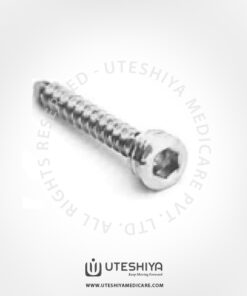
2.7mm Hex Head & Locking Mini Screws
Featuring precision-milled single-slot and hex drive heads designed to prevent driver strip-out. Provides maximal pull-out strength in bicortical mandibular application.
View Catalog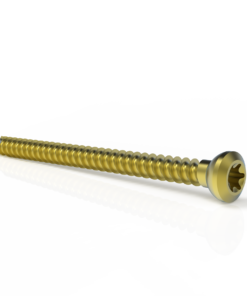
2.7mm Locking Head Cortex Screw Series
Combines self-tapping thread geometries with a threaded screw-to-plate locking mechanism, creating a stable fixed-angle construct in osteopenic facial bone.
Technical Specs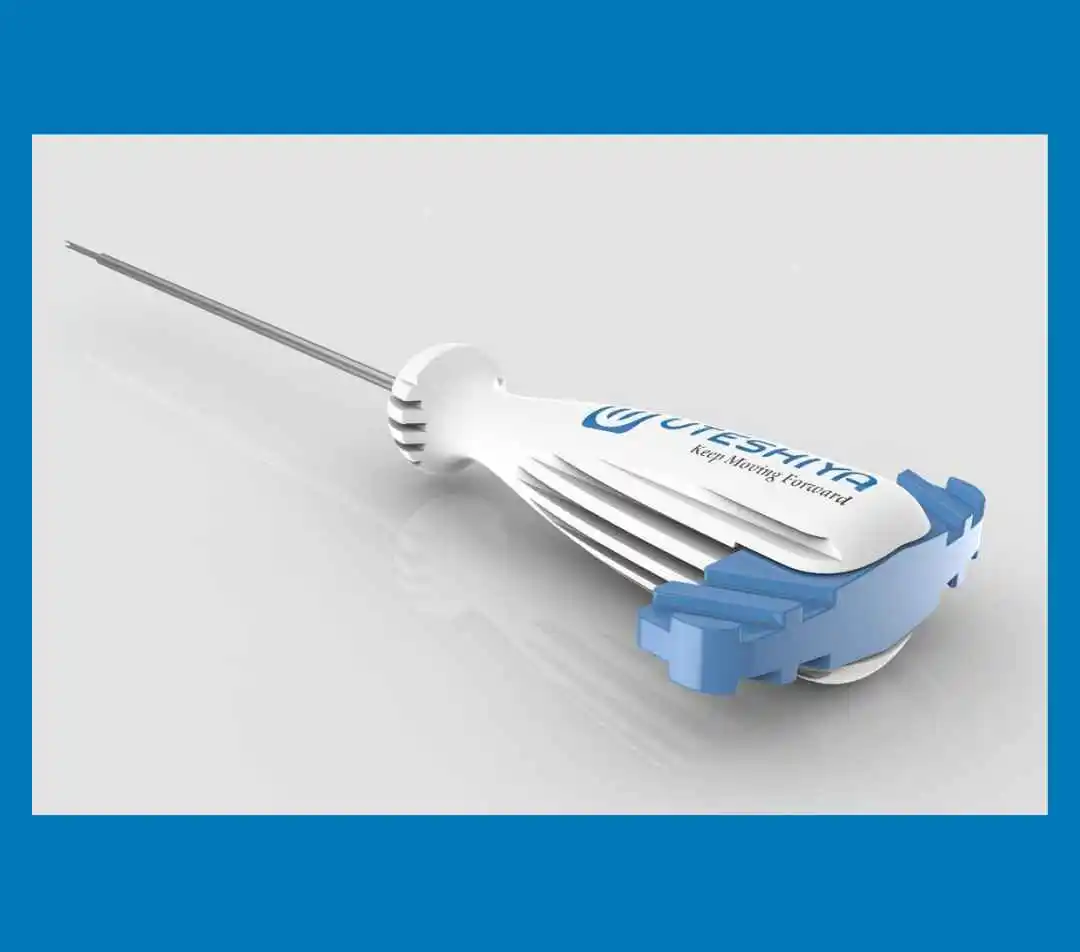
3D Customized Titanium CMF Implants
Manufactured from patient CT scan data via high-precision CNC milling and additive manufacturing, tailored specifically for severe oncological jaw reconstructions.
Custom ServicesNeed Customized CMF System Configurations or OEM Tender Support?
Our engineering team assists global distributors, hospital procurement committees, and orthopedic brands with technical dossiers, direct factory pricing, and customized kit assemblies.
Contact Us4. Global Procurement & Sourcing Trends for CMF Implants (2025–2030)
As global healthcare procurement transitions toward value-based purchasing, B2B buyers must navigate evolving dynamics in supply chain management, regulatory compliance, and surgical technology integration. Several macro trends are defining the future of CMF plating system procurement:
A. Shift Toward Patient-Specific Implants (PSI) & Virtual Surgical Planning (VSP)
Standard off-the-shelf plates are increasingly augmented by patient-specific titanium implants derived from DICOM datasets of patient CT scans. Surgeons utilize Virtual Surgical Planning software to model exact osteotomy lines and pre-contour plates virtually. B2B procurement managers are actively aligning with medical device manufacturers who maintain in-house 3D design and rapid CNC production capabilities to handle custom PSI requests alongside traditional inventory.
B. Rigorous Quality Management System Rules (QMSR) & Regulatory Harmonization
With regulatory bodies tightening oversight—such as the transition to FDA Quality Management System Regulation (QMSR) aligned with ISO 13485:2016 and Europe's Medical Device Regulation (EU MDR)—importers can no longer rely on unverified white-label suppliers. Procurement departments require full material traceability (heat treatment certificates, raw material melt origin), bio-burden testing validation, and cleanroom ISO Class 7/8 packaging protocols. Suppliers with multi-jurisdictional clearances (such as CDSCO approvals in India alongside FDA registrations) offer significant risk-mitigation advantages.
C. Decentralization of Manufacturing to High-Capability MedTech Hubs
Rising cost pressures in Western Europe and North America have accelerated direct sourcing partnerships with established Indian orthopedic manufacturers. Modern Indian facilities, such as Uteshiya Medicare, combine multi-axis CNC Swiss sliding-head lathes, wire electrical discharge machining (EDM), state-of-the-art anodization lines, and cleanroom sterile packaging under one roof, providing tier-1 quality at highly competitive volume pricing.
5. Industry & Technological Development Trends in CMF Fixation
Technological advancement in maxillofacial surgery focuses heavily on minimizing surgical invasiveness, decreasing operative duration, and preventing hardware-related complications such as plate exposure or screw loosening.
- Low-Profile Contour Optimization: Modern CMF plates feature rounded edges, recessed screw holes, and highly polished surface finishes (Ra < 0.2 µm) to minimize soft-tissue irritation, soft-tissue dehiscence, and post-operative palpability in thin facial cutaneous layers.
- Multi-Directional Locking Screw Mechanics: Transitioning from standard single-angle threaded screw heads to variable-angle locking mechanisms allows surgeons to angle screws up to 15 degrees off-axis without compromising thread engagement strength in complex zygomatic fractures.
- Bioactive Surface Modifications: Ongoing research focuses on nano-structured titanium oxide surfaces, plasma-sprayed hydroxyapatite micro-coatings, and silver-ion antibacterial surface treatments designed to prevent osteomyelitis and late implant-associated infections in high-risk intraoral surgical environments.
- In-House Cleanroom Gamma & ETO Sterilization: Procurement teams are increasingly specifying pre-sterilized, single-use packaged CMF kits. Pre-packaged sterile implants guarantee 10⁻6 Sterility Assurance Levels (SAL), completely bypassing hospital autoclaving logistics while safeguarding against cross-contamination.
6. Why Global Healthcare Procurement Teams Partner with Uteshiya Medicare
As an industry-leading orthopedic implants manufacturer and exporter based in India, Uteshiya Medicare combines over a decade of precision engineering experience with uncompromising quality standards. Our manufacturing facilities are equipped to deliver comprehensive CMF plating solutions designed for world-class surgical precision.

1,000+ CDSCO Approvals
Certified product approvals across trauma, spine, external fixators, and CMF categories.

In-House Sterile Packaging
CDSCO-approved ISO Class 7 cleanroom facility ensuring 10⁻6 SAL sterility standards.

30+ Countries Footprint
Proven export experience supporting healthcare systems across Latin America, Asia, Europe & Africa.

ISO 13485 & FDA Registered
Full QMS compliance with comprehensive technical dossiers and batch traceability.
Uteshiya Medicare operates high-precision multi-axis CNC lathes, high-speed vertical machining centers (VMC), and automated surface treatment equipment. Our metallurgical lab conducts strict raw material testing, tensile stress evaluations, torque testing, and dimensional verification using optical CMM equipment. Whether supplying national health tenders, hospital chains, or private brand distributors via OEM/ODM services, Uteshiya Medicare guarantees consistency, clinical efficacy, and rapid order fulfillment.
7. Comprehensive B2B Procurement FAQ: Craniomaxillofacial Plating Systems
Below are technical answers to the most common questions raised by biomedical engineers, orthopedic buyers, and hospital tender committees during the vendor qualification process:
Commercially Pure (CP) Titanium Grade 2 offers high ductility and ease of intraoperative manual bending, making it ideal for low-load midface and cranial vault applications where contouring to complex curved bone surfaces is paramount. In contrast, Titanium Grade 5 (Ti-6Al-4V ELI) features significantly higher ultimate tensile strength (≥ 860 MPa vs. ≥ 345 MPa) and yield strength. Grade 5 is critical for load-bearing mandibular reconstruction plates (2.4mm/2.7mm systems) that must endure cyclic masticatory muscle stresses without experiencing fatigue fracture.
Screw stripping during high-torque driving into dense cortical bone is prevented through two primary engineering controls: optimized thread pitch geometry with precision-machined self-tapping flutes, and strict drive-recess tolerances. Our hex and star/cross-drive driver interfaces are CNC-milled with zero-taper tolerance, ensuring maximum surface engagement between driver tip and screw head to distribute torsional load evenly during insertion.
Every shipment from Uteshiya Medicare includes a complete Quality Assurance Documentation Package: Certificate of Analysis (CoA), Raw Material Mill Test Certificates (ASTM F136 / ASTM F138 compliance), Heat Treatment Verification, ISO 13485 Batch Conformance, Sterilization Validation Certificates (if sterile-packaged), and CDSCO Free Sale Certificates required for customs clearance and regional registration.
Yes. We offer turnkey OEM/ODM contract manufacturing services. This includes custom plate geometric modifications, personalized laser etching (part numbering, lot codes, custom brand logos), custom anodization color coding (golden, blue, green, magenta), tailored surgical tray container customization, and private-label pouch packaging.
For standard catalog CMF items, we maintain extensive finished and semi-finished buffer inventory, allowing flexible MOQs tailored for distributor initial stock orders. Standard production lead times for custom volume batches or specialized OEM configurations typically range between 3 to 5 weeks, supported by rapid international air freight logistics.
Non-locking plates rely on friction between the plate surface and cortical bone created by screw tightening; this requires perfect anatomical plate contouring to avoid altering fracture alignment. Locking CMF plates feature threaded screw holes that lock directly into the threaded head of the screw, creating a rigid "internal fixator" construct. This eliminates the need for precise micro-contouring against the bone, preserves periosteal blood supply, and provides superior stability in comminuted fractures or osteopenic bone.
Accelerate Your CMF Implants Sourcing with Uteshiya Medicare
Partner with a verified manufacturer trusted by orthopedic and maxillofacial surgeons in over 30 countries. Request a comprehensive price list, technical catalog, or factory audit dossier today.
Contact Us