Uteshiya Medicare Insights

Orthopedic Implants & Surgical Innovations Blog

Exploring clinical updates, trauma care advancements, and medical device insights.

Contact Us

Global Orthopedic Solutions

Clinical Excellence & Technology Articles

CDSCO-approved locking systems & biocompatible implants trusted in 30+ countries.

View Catalogue
0%

Finding a reliable Multilock Humerus Nail supplier in China takes more than comparing catalog photos or unit prices. This implant has specific design and use requirements. Review its dimensions, locking options, material specifications, and instrument compatibility with qualified technical reviewers. Ask how manufacturing controls, inspection records, and lot traceability are documented. Clear answers matter. A polished catalog alone proves little.

Before requesting quotations, define the required configuration, packaging, order volume, and destination-market documentation. Assess the supplier’s quality system, production capability, export experience, and responsiveness through verifiable records rather than broad promises. Request relevant certificates and product documents, then check their scope, validity, and issuing details where possible. For products intended for clinical use, confirm applicable approvals and purchasing requirements in the destination market with the responsible regulatory professional. Ask about complaint handling, change control, and post-sale technical support, too. These questions can reveal gaps early. No review is perfect; paperwork may be incomplete, and claims still need checking. The goal is not simply a low quote. It is a supplier whose evidence, communication, and product specifications stand up to careful review.
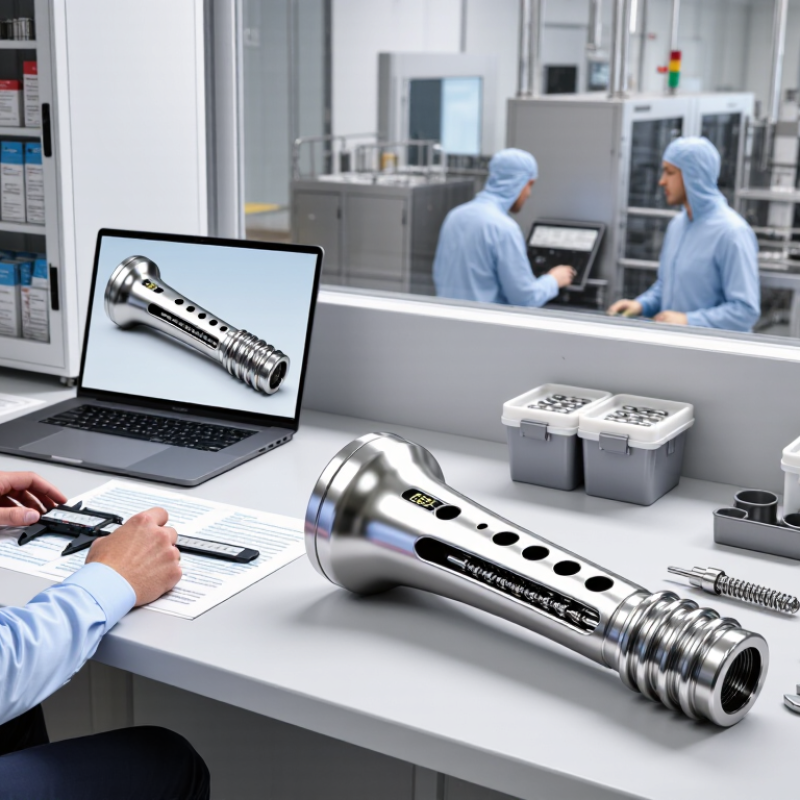
How to Find a Multilock Humerus Nail Supplier in China?

Define Humeral Nail Specifications: Lengths, Diameters, and Locking Options

When sourcing a multilock humerus nail, specify the intended anatomy and fracture pattern before comparing catalog sizes. Common systems offer nail diameters around 6–10 mm and lengths roughly 150–300 mm, but these are market ranges, not a universal prescription. Ask for the full size matrix, including increments between sizes, proximal and distal dimensions, and whether short and long nails share the same locking layout. Small details matter: a 1 mm diameter difference can affect canal fit, while a long nail may improve fixation options but complicate insertion. Confirm final sizing against imaging and the surgeon’s plan.

Locking options deserve equal attention. Request a drawing that shows each hole’s position, direction, and compatible screw diameter; “multilock” alone is not a complete specification. Check whether screws can be inserted in multiple planes and whether targeting guides support the intended configuration. ASTM F1264-24 covers mechanical testing of intramedullary fixation devices, including bending, torsion, and fatigue performance; ask suppliers for test reports tied to the exact nail size and configuration. Useful evidence, not just a polished brochure. Also request material, surface-finish, and dimensional-tolerance records. One awkward point: a detailed catalog still cannot replace case-specific sizing. Compare the supplier’s data with your required lengths, diameters, and locking map before requesting samples.

Screen NMPA Class III Registration and ISO 13485:2016 Certification

When evaluating a multilock humerus nail supplier in China, verify the product’s NMPA Class III registration. Search the official NMPA database using the registration number, not just a brochure image. Check that the registered product name, model, specifications, and manufacturer match the nail being offered. Details matter. A certificate for a different configuration may not cover your requested product.

Review the ISO 13485:2016 certificate separately. Confirm its validity, issuing certification body, covered manufacturing site, and scope of activities. The scope should fit the supplier’s actual role, such as design or manufacture of orthopedic implants. A certificate from a trading office alone may tell you little about factory controls. Ask for the full certificate and verify it with the issuing body where possible.

Request supporting records that connect the documents to production: device labeling, traceability examples, and quality-control procedures for nail dimensions and locking holes. If the supplier cannot explain how a lot is linked to inspection records, pause and ask for clarification. Paperwork helps, but it is not the whole assessment. Factory audits and clear answers can reveal gaps; even a polished document set may leave questions unanswered.

Verify Ti-6Al-4V ELI Claims Against ASTM F136 and ISO 5832-3

When choosing a multilock humerus nail supplier in China, verify the alloy behind the product claim. Ask for the original mill test report, not only a supplier-issued certificate. Match its heat number to the material certificate and production records. ASTM F136 specifies wrought Ti-6Al-4V ELI, including a maximum oxygen content of 0.13%. ISO 5832-3:2021 covers wrought titanium-aluminium-vanadium implant alloy, with a higher oxygen limit of 0.20%. These published limits are not interchangeable. A supplier calling material “ELI” should show results that meet the tighter ASTM F136 requirement.

Check reported chemistry, mechanical properties, and traceability together. A certificate should identify the testing method, specimen, batch, and applicable standard edition. For a nail, also request evidence that finished-device processing and inspections are controlled; raw material compliance alone does not verify the completed implant. Compare tensile and yield results with the relevant specification, and ask how the supplier handles nonconforming batches. A polished certificate is not the whole story. Paperwork can look convincing while heat-level links remain unclear.

Tips: Request a redacted sample report before placing an order. Confirm the heat number on the report matches the material records. If a supplier cites both standards, ask which one governs acceptance. Then have an independent laboratory verify a sample when documentation leaves doubt. That extra check takes time, but it may prevent an avoidable sourcing mistake.

Review Biocompatibility and Risk Files Against ISO 10993-1 and ISO 14971:2019

When evaluating a multilock humerus nail supplier in China, request the biological evaluation and risk-management files—not just a certificate or summary. Under ISO 10993-1, the biological assessment should reflect the device’s materials, tissue contact, and duration of use. Check whether reports identify the tested material, sample preparation, and applicable sterilization method. A report for a similar alloy may not cover a different coating or manufacturing process. Details matter.

Review the ISO 14971:2019 risk file for hazards linked to implantation, use, and foreseeable misuse. Look for documented risk estimates, controls, and residual-risk decisions. Trace key controls to actual design or production records. For example, confirm how the supplier controls nail dimensions, surface finish, and changes to material sources. Ask who approves those changes and how they are communicated. A tidy file alone proves little; gaps may reflect poor documentation, or a real assessment gap. Follow up before drawing conclusions.

Tips: Request current, version-controlled files and a written explanation of any test exclusions. Compare device configurations carefully. Ask for evidence, not assurances. If the risk rationale is unclear, request a focused review with the supplier’s quality and regulatory team.

Audit Traceability, Validation, and Export Records Before Supplier Approval

How to Find a Multilock Humerus Nail Supplier in China?

Before approving a supplier, trace one finished nail back to its material batch, production site, inspection results, and release record. Ask for a sample traceability file, not just a quality manual. Check that the lot number on the package matches the inspection report and shipping documents. Paper is not proof. Confirm the ISO 13485 certificate is current and covers the actual manufacturing site and relevant device scope; certification alone does not establish that every product meets its specifications.

Review validation evidence for critical steps, including machining, cleaning, packaging, and sterilization when the supplied product is sterile. Request dimensional inspection records, gauge-calibration status, and documented acceptance criteria. WHO’s 2017 Global Surveillance and Monitoring System report estimated that one in ten medical products in low- and middle-income countries is substandard or falsified. This broad estimate is not specific to implants, but it underlines why documented controls matter. A tidy audit file can still leave gaps.

Compare export records with the device and supplier details: commercial invoice, packing list, certificate of origin where applicable, and batch-release documentation. Names, quantities, product descriptions, and lot references should agree. Ask which records are retained and how quickly a past shipment can be traced. If the supplier cannot reconcile a small sample shipment, pause approval. It may be an administrative mistake, but it deserves a second look.

How to Find a Multilock Humerus Nail Supplier in China? - Audit Traceability, Validation, and Export Records Before Supplier Approval

Audit Dimension Records to Request How to Verify Approval Evidence Decision Rule
Regulatory status and scope Quality-system certificate, device registration or market authorization documents, product scope, and any applicable audit reports. Check issuer, validity dates, legal manufacturer, manufacturing site, device scope, and intended destination markets. Confirm requirements with the relevant market regulator. Current, verifiable documents that cover the actual site and product activities being assessed. Do not approve based solely on a certificate logo or an unrelated product registration.
Lot and material traceability Raw-material certificates, supplier lot records, receiving inspection, production travelers, device history records, and finished-goods release records. Select a finished nail lot and trace it backward to material heat or batch records and forward to inspection, release, packaging, and shipment records. Consistent identifiers, dates, quantities, and approvals across the traceability chain; discrepancies are documented and resolved. Hold approval if a sampled finished lot cannot be traced completely or records conflict.
Material and implant specifications Approved drawings, material specifications, grade designation, material test certificates, and change-control history. Compare material and dimensional requirements with the controlled product specification and the applicable regulatory or recognized standards for the intended market. Current revision-controlled specifications and traceable material evidence for the sampled lot. Reject undocumented material substitutions or uncontrolled drawing revisions.
Manufacturing process controls Process flow, work instructions, equipment list, operator training records, inspection plans, and nonconformance records. Follow a sample device through machining, hole formation, finishing, cleaning, inspection, and release; compare actual records with approved instructions. Documented controls at defined process steps, with calibrated equipment and authorized personnel where required. Require corrective action for uncontrolled operations or missing inspection evidence.
Design verification and validation Design inputs and outputs, risk-management file, verification protocols and reports, validation rationale, and design-change records. Confirm that tests address the approved design and intended use, use defined acceptance criteria, and have reviewed, approved results. Check that identified risks have corresponding controls. Complete, approved evidence with deviations assessed and design changes linked to relevant testing. Do not treat a test report for a different size, design revision, or configuration as direct evidence without documented justification.
Measurement and inspection capability Inspection methods, measuring-equipment register, calibration certificates, dimensional reports, and acceptance criteria. Check that measuring equipment is suitable for the characteristic, calibration is current, and records identify the instrument, result, operator, and lot or serial reference. Traceable inspection results against approved specifications, with out-of-tolerance results controlled. Require containment and documented disposition for failed or unverified measurements.
Cleaning, packaging, and sterilization Cleaning validation or verification, packaging specifications, seal or package integrity records, sterilization records if supplied sterile, and reprocessing information where applicable. Determine whether the product is supplied sterile or non-sterile. For sterile supply, review the applicable validated sterilization process, load records, and release criteria; check that packaging supports the stated shelf life. Evidence appropriate to the supplied configuration and destination-market requirements, with traceable batch release documentation. Do not assume a product is sterile unless its labeling and batch records support that claim.
Labeling and product identification Approved labels, packaging artwork, item and size codes, lot or serial identification, and applicable UDI records where required. Match label details to the product configuration, release record, and destination-market rules. Verify that identification remains legible through expected handling and storage. Approved labeling revision and a documented check linking the packaged product to its released lot. Resolve any mismatch between label, product, and shipping documents before shipment.
Supplier and change management Critical supplier list, supplier qualification records, change notifications, complaint handling, corrective-action records, and recall or field-action procedures. Review how changes to materials, processes, equipment, site, packaging, or subcontractors are assessed, approved, documented, and communicated. A controlled process with documented impact assessment, approvals, and customer notification where contractually or legally required. Require written change-control terms before approving ongoing supply.
Export and shipment records Commercial invoice, packing list, transport document, certificate of origin if requested, export declaration where applicable, and product-specific certificates required by the destination market. Cross-check product description, quantity, lot identifiers, consignee, country of origin, and shipment dates across documents. Confirm required documents with the importer, carrier, and relevant authorities. A complete, consistent document set for a sample shipment, with originals or verifiable copies as applicable. Hold shipment if required documents are missing or key details do not match the released product.
Final supplier approval Completed audit checklist, open findings, corrective-action plans, quality agreement, approved product list, and purchasing controls. Assign an owner and due date to each finding; verify corrective-action evidence and define any incoming inspection or first-article checks before routine orders. Documented risk-based approval decision, authorized sign-off, and clear conditions for any conditional approval. Approve only when critical gaps are closed and residual risks and monitoring controls are documented.

Audit template only: no supplier-specific findings are represented. Confirm standards, certifications, and import or export requirements for the product configuration and destination market.

FAQS

How can I verify a nail’s titanium alloy claim?

Request the original mill test report and match its heat number to material and production records. A supplier-issued certificate alone may not show full traceability.

What is the difference between ASTM F136 and ISO 5832-3?

ASTM F136 limits oxygen to 0.13%, while ISO 5832-3:2021 allows up to 0.20%. These limits are not interchangeable. Check which standard governs acceptance.

What details should a material report include?

Look for the testing method, specimen, batch, standard edition, and chemistry results. Compare tensile and yield properties with the relevant specification. Details matter.

Does raw material compliance prove the finished nail is suitable?

No. Ask for evidence that processing, dimensions, surface finish, and inspections are controlled. A compliant alloy does not verify every finished-device feature.

What biological and risk documents should I review?

Request current biological evaluation and risk-management files. Check that they cover the device’s materials, tissue contact, use duration, sample preparation, and sterilization method.

How can I assess whether testing applies to the exact device?

Compare the tested material and device configuration with the supplied product. A report for a similar alloy may not cover another coating or manufacturing process. Ask about exclusions.

What should a sample traceability file connect?

It should link one finished nail to its material batch, production site, inspection results, and release record. Match the package lot number with inspection and shipping documents. Paper is not proof.

What should I check in manufacturing validation and export records?

Review validation for machining, cleaning, packaging, and sterilization when applicable. Compare invoices, packing lists, origin documents where applicable, and batch-release records. Names, quantities, descriptions, and lot references should agree.

What if a supplier’s records contain gaps?

Ask for clarification and supporting evidence before approval. A gap may be administrative, or it may signal a deeper control problem. It deserves a second look.

Conclusion

Finding a reliable Multilock Humerus Nail supplier in China starts with defining the required implant specifications, including nail lengths and diameters, available locking configurations, and compatibility with the intended surgical approach. Clear specifications help buyers compare products consistently and confirm that the supplier can provide the designs and technical documentation needed for evaluation.

Before approval, review evidence of applicable NMPA Class III registration and ISO 13485:2016 certification, and verify stated Ti-6Al-4V ELI material claims against ASTM F136 and ISO 5832-3 documentation. Assess biocompatibility and risk-management files with reference to ISO 10993-1 and ISO 14971:2019. Finally, examine traceability systems, manufacturing and inspection validation records, and export documentation. A structured review of these areas supports a more informed supplier assessment and helps identify documentation gaps before procurement.

Amelia

Amelia

Amelia is a professional marketing specialist with a strong understanding of product strategy, customer needs, and digital communication. As a key contributor to the company’s content and marketing initiatives, she regularly publishes insightful articles on the company website, helping readers......