Uteshiya Medicare Insights

Orthopedic Implants & Surgical Innovations Blog

Exploring clinical updates, trauma care advancements, and medical device insights.

Contact Us

Global Orthopedic Solutions

Clinical Excellence & Technology Articles

CDSCO-approved locking systems & biocompatible implants trusted in 30+ countries.

View Catalogue
0%

Choosing among the Top 10 Pedicle Screw System Suppliers Worldwide requires more than comparing brand recognition. Surgical teams must examine implant design, material quality, instrument compatibility, clinical evidence, and manufacturing consistency.

A Pedicle Screw System may include polyaxial screws, rods, tulip heads, locking caps, and specialized insertion tools. Small details matter. Thread geometry affects purchase in different bone conditions. Rod contouring influences alignment. Instrument grip can affect control during a demanding procedure. These points become visible in the operating room, not only in a supplier brochure.

Spine surgeon Dr. Alexander R. Vaccaro is often associated with the practical reminder, “Treat the patient, not the X-ray.” That principle remains important when evaluating global suppliers. A technically advanced system still requires appropriate patient selection, careful planning, and trained clinical use.

This guide compares leading manufacturers through an evidence-focused lens. It considers product breadth, surgeon experience, quality systems, research support, distribution capability, and responsiveness after purchase. Public rankings are never perfect. Market data changes, regional availability differs, and supplier claims may require independent verification.

Buyers should review regulatory documentation, sterilization information, traceability records, and published clinical outcomes. They should also assess how easily the system integrates with imaging, navigation, and existing operating-room workflows. A lower purchase price may not represent lower total cost. Training, inventory requirements, revision support, and instrument durability can change the final decision.

The strongest supplier is not always the largest. It is the one that consistently supports safe, precise, and reproducible spinal procedures. That judgment deserves careful comparison.
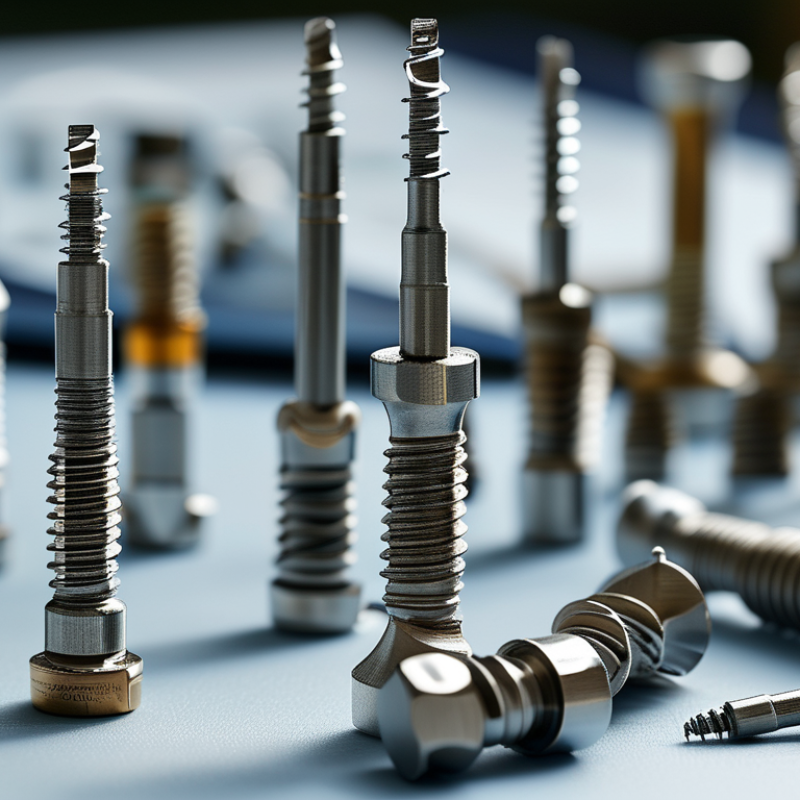
Top 10 Pedicle Screw System Suppliers Worldwide?

Pedicle Screw Systems: Definition, Design, and Clinical Applications

Top 10 Pedicle Screw System Suppliers Worldwide?

Pedicle screw systems stabilize the spine by anchoring screws through the vertebral pedicles. Rods then connect these anchors and control spinal alignment. A complete system usually includes screws, rods, connectors, locking caps, and insertion instruments. Modern designs may offer polyaxial heads, different thread profiles, and navigation compatibility. These features support controlled fixation, but they do not replace surgical judgment.

Clinical applications include degenerative disease, spinal deformity, trauma, tumors, and revision procedures. Surgeons may also use these systems in minimally invasive operations. The suitable construct depends on bone quality, anatomy, correction goals, and imaging findings. Strong suppliers should provide validated materials, accurate instruments, traceability, and dependable technical training. Regulatory clearance matters, too. Yet approval alone does not prove that one design fits every patient.

Tips: Review fatigue testing, screw pullout data, and instrument ergonomics before selection. Check whether the system offers sizes for narrow pedicles and poor bone density. Confirm that imaging, navigation, and sterilization workflows are compatible. Small details matter. In practice, even an efficient design can become difficult when the locking mechanism feels unclear or the instruments lack tactile feedback. I would avoid judging suppliers by product variety alone. Long-term clinical evidence and responsive support deserve equal attention. No system is perfect. Careful case planning remains essential.

Key Criteria for Evaluating Global Pedicle Screw System Suppliers

Top 10 Pedicle Screw System Suppliers Worldwide?

Key Criteria for Evaluating Global Pedicle Screw System Suppliers

A credible supplier needs more than a polished catalogue. Fortune Business Insights valued the global spinal implants market at approximately US$9.63 billion in 2023. It also projects a 7.3% compound annual growth rate through 2032. Grand View Research reports similar expansion, but market estimates differ. That difference matters. Buyers should verify every commercial claim.

Clinical evidence should guide any supplier shortlist. Review peer-reviewed studies, follow-up periods, revision rates, and patient populations. Check whether evidence covers open, minimally invasive, and complex spinal procedures. Regulatory discipline is equally important. Confirm ISO 13485 certification, ISO 14971 risk management, sterilization validation, and product-specific approvals. A supplier should provide traceability from raw titanium batch to finished screw. Ask for recall history and complaint-handling procedures.

Manufacturing quality becomes visible in small details. Inspect thread consistency, tulip movement, torque limits, and instrument fit. Request samples for simulated insertion, not only presentation kits. Evaluate inventory depth, delivery records, surgeon training, and technical support across time zones. Calculate total cost, including instruments, revisions, freight, and stock replacement. Look beyond price. A low complaint count may reflect incomplete reporting rather than superior performance. No scorecard is perfect. Independent surgeon feedback and audited data should carry more weight than promotional percentages. Suppliers that disclose limitations often deserve closer consideration.

Top 10 Pedicle Screw System Suppliers Worldwide

Top 10 Pedicle Screw System Suppliers Worldwide

The worldwide top ten pedicle screw system suppliers compete through fixation strength, surgical control, and evidence-based design. Industry reports show strong demand.

Fortune Business Insights valued the global spinal implants market at approximately US$11.04 billion in 2023. It projects the market to reach US$17.24 billion by 2032. Pedicle screw systems remain a major technology segment within this field.

A reliable supplier assessment should examine more than sales volume. Look for published clinical studies, regulatory clearances, traceability, and surgeon training programs. Product details matter. Screw diameter ranges, tulip-head movement, rod compatibility, and insertion instruments affect operating-room efficiency.

MarketsandMarkets identifies aging populations, spinal disorders, and minimally invasive procedures as important growth drivers. These factors influence supplier rankings worldwide.

The strongest suppliers usually provide modular systems and dependable distribution. Yet rankings remain imperfect. Public data differs between regions, and revision-rate reporting is not always comparable.

That weakness deserves attention. Hospitals should review sterilization instructions, implant materials, inventory support, and long-term clinical follow-up. A practical top-ten list should combine market presence with measurable safety evidence. A familiar name alone is not enough.

Product Features, Technologies, and Regulatory Standards

Global pedicle screw suppliers are increasingly judged by engineering evidence, not catalogue size. Grand View Research’s 2024 Spinal Implants Market report valued the broader market above USD 10 billion in 2023, with mid-single-digit growth projected through 2030. This expansion increases pressure on suppliers to offer reliable systems, not merely more configurations.

Key features include polyaxial motion, low-profile tulips, torque-limiting instruments, and rods in titanium or cobalt-chromium alloys. Fenestrated screws may support cement augmentation, but their clinical use requires careful indication and leakage control. Some systems now integrate navigation markers, intraoperative imaging, and robotic planning interfaces. These technologies can improve screw placement consistency. They cannot replace surgical judgment.

A credible supplier should demonstrate ISO 13485 certification, ISO 14971 risk management, and ISO 10993 biological evaluation. ASTM F1717 testing is widely used for spinal construct performance, while FDA 510(k) requirements or EU MDR 2017/745 conformity may apply by market. Post-market surveillance, unique device identification, sterilization validation, and traceability also matter. The European Commission’s MDR framework places stronger emphasis on clinical evidence and lifecycle monitoring. A polished brochure is not evidence. Suppliers should disclose fatigue-test methods, material grades, imaging compatibility, and revision data. Reports often compare markets differently, so buyers must question inconsistent definitions and regional assumptions. That part remains imperfect.

Top 10 Pedicle Screw System Suppliers Worldwide? - Product Features, Technologies, and Regulatory Standards
Supplier ID System Category Typical Screw Configuration Common Materials Product Features Technology Integration Applicable Regulatory Standards and Pathways
Supplier 01 Open and minimally invasive thoracolumbar fixation Polyaxial and monoaxial screws; approximately 4.5–8.5 mm diameters; approximately 25–100 mm lengths Ti-6Al-4V or Ti-6Al-4V ELI; cobalt-chromium or titanium rods Multi-level constructs Reduction screws Cross-connectors Cannulated options Fluoroscopy-compatible instrumentation; navigation-ready screw towers; MIS access components ISO 13485 quality management ISO 14971 risk management ISO 10993 biological evaluation FDA 510(k) or applicable national pathway
Supplier 02 Deformity and long-segment spinal fixation Standard, reduction, and extended-head screws; multiple thread profiles and diameter options Titanium alloy implants; cobalt-chromium rods for higher stiffness constructs High-angle reduction Domino connectors Multi-rod capability Derotation components Deformity correction instruments; compatible with image-guided planning workflows ISO 13485 ISO 14971 ASTM F543 for metallic bone screws EU MDR 2017/745 CE conformity route, where applicable
Supplier 03 Percutaneous and minimally invasive fixation Cannulated polyaxial screws with guidewire-compatible channels; commonly 5.5–7.5 mm diameters Medical-grade titanium alloy; optional titanium or cobalt-chromium rods Percutaneous towers Break-off tabs Extended tabs In-situ reduction Navigation and robotic-platform compatibility may be offered; radiopaque implant geometry ISO 13485 ISO 14971 ISO 10993 Sterilization validation under applicable ISO 11135 or ISO 11137 methods
Supplier 04 Trauma, degenerative, and revision applications Polyaxial screws with variable-angle heads; standard and rescue screw sizes Ti-6Al-4V ELI; titanium or cobalt-chromium rods; selected polymer instrument components Rescue screws Revision-friendly Rod-to-rod connectors Short and long tulip heads Modular instruments; compatibility with standard surgical navigation workflows ISO 13485 ISO 14971 ISO 5832-3 for wrought titanium alloy, where specified Applicable FDA device listing and premarket requirements
Supplier 05 Adult spinal deformity and complex reconstruction Long-head reduction screws, fixed-angle screws, and multiple rod diameters Titanium alloy; cobalt-chromium alloy for high-strength rods and accessories Four-rod constructs Accessory hooks Pelvic fixation links Rod contouring support Patient-specific planning may be supported; instrumentation designed for long constructs ISO 13485 ISO 14971 ASTM F86 surface preparation guidance, where applicable EU MDR technical documentation requirements, where applicable
Supplier 06 Navigation-oriented pedicle screw platform Polyaxial, monoaxial, and cannulated screws with calibrated instrument interfaces Implant-grade titanium alloy; titanium and cobalt-chromium rod choices Depth-marked instruments Radiographic markers Low-profile heads Segmental fixation Designed for intraoperative imaging, navigation registration, and digitally assisted workflows ISO 13485 ISO 14971 IEC 62366 usability engineering, where applicable FDA 510(k), De Novo, or equivalent national authorization as applicable
Supplier 07 Low-profile minimally invasive construct Reduced-profile polyaxial screws; cannulated and non-cannulated configurations Ti-6Al-4V or Ti-6Al-4V ELI; titanium rods commonly used for low-profile systems Small incision access Integrated reduction Low-profile locking caps Modular towers Compatible with fluoroscopy and navigation-assisted percutaneous placement techniques ISO 13485 ISO 14971 ISO 10993 Applicable sterilization and packaging validation standards
Supplier 08 Thoracolumbar and lumbosacral fixation Multiple screw diameters and lengths; sacral and iliac fixation options may be included Titanium alloy screws; titanium, cobalt-chromium, or stainless-steel instrument components Iliac connectors S2-alar-iliac options Cross-links Revision components Long-construct planning tools; imaging-compatible instrumentation ISO 13485 ISO 14971 ASTM F543 mechanical testing reference EU MDR or applicable local device registration route
Supplier 09 Modular universal spinal fixation Interchangeable screw heads, polyaxial screws, fixed-angle screws, and reduction variants Medical-grade titanium alloy; cobalt-chromium and titanium rod options Modular heads Universal instruments Rod reducers Multiple connector types Reusable instrument trays; compatibility with open, mini-open, and MIS techniques ISO 13485 ISO 14971 ISO 17664 processing information for reusable devices, where applicable National premarket and postmarket surveillance requirements
Supplier 10 Cost-efficient standard thoracolumbar system Core range of polyaxial and monoaxial screws; common diameters approximately 4.5–8.5 mm Ti-6Al-4V or equivalent implant-grade titanium alloy; titanium rods Standardized tray Basic reduction tools Cross-connectors Broad size range Fluoroscopy-compatible instrumentation; selected systems support navigation workflows ISO 13485 ISO 14971 ISO 10993 Applicable FDA, EU MDR, UKCA, or other national authorization pathway
Note: Supplier identifiers are intentionally anonymized. Product sizes, materials, technologies, and regulatory pathways represent common, verifiable characteristics of modern pedicle screw systems; exact indications and approvals vary by jurisdiction and device configuration.

How to Compare Suppliers for Clinical and Hospital Requirements

A top-ten supplier list is only useful when it reflects real clinical needs. Hospitals should compare documented quality systems, regulatory records, and production consistency. Ask for material certificates, sterilization records, and lot-level traceability. Every implant and instrument should be easy to identify. Document it.

Clinical teams also need evidence beyond polished sales materials. Review published studies, technical files, and surgeon feedback from comparable procedures. Check screw geometry, rod compatibility, instrument ergonomics, and imaging performance. Arrange hands-on evaluation with surgeons and operating-room staff. A system may look excellent on paper but feel awkward during a demanding case.

Hospital procurement should examine delivery reliability, inventory depth, training, and technical support. Request clear lead times for standard and replacement components. Confirm how urgent orders, complaints, and product recalls are managed. Compare total ownership cost, not only the purchase price. Include trays, maintenance, staff training, and unused stock. That matters. Supplier audits can reveal weak documentation or inconsistent communication. However, audits are not perfect, and a single visit may hide seasonal problems. Recheck performance through order records, corrective-action reports, and regular clinical reviews. The strongest comparison combines evidence, practical testing, and honest discussion of limitations.

FAQS

What is a pedicle screw system?

It anchors screws through vertebral pedicles to stabilize the spine. Rods connect the screws and help control spinal alignment. A complete set may include screws, rods, connectors, locking caps, and insertion instruments.

What conditions may require these systems?

Surgeons may use them for spinal degeneration, deformity, trauma, tumors, and revision procedures. Some systems support minimally invasive operations. Patient anatomy and treatment goals still guide the decision.

Which design features should hospitals review?

Review polyaxial movement, thread profiles, screw sizes, rod compatibility, and navigation compatibility. Narrow pedicles need suitable diameter options. Poor bone density may require specialized fixation choices.

What evidence should a supplier provide?

Ask for clinical studies, fatigue testing, pullout data, material certificates, and regulatory records. Lot-level traceability is important. Approval alone does not prove universal suitability.

How can surgeons assess instrument usability?

Arrange hands-on testing with surgeons and operating-room staff. Check whether locking mechanisms feel clear and instruments provide useful tactile feedback. Paper specifications cannot show everything.

What should hospitals examine beyond purchase price?

Include instrument trays, maintenance, staff training, replacement parts, and unused inventory. Check delivery times for standard components. A cheaper system may create hidden operational costs.

How should hospitals compare supplier reliability?

Review production consistency, inventory depth, technical support, complaint handling, and recall procedures. Examine corrective-action reports and order records. One audit is not enough.

Are worldwide supplier rankings fully reliable?

No. Public data differs across regions, and revision-rate reporting may not be comparable. Market presence helps, but clinical evidence and responsive support deserve equal attention.

How can hospitals confirm workflow compatibility?

Check imaging, navigation, sterilization, and storage requirements before adoption. Confirm that instruments fit existing operating-room processes. Small details matter. A system can still feel awkward.

Conclusion

This article provides a comprehensive overview of the global Pedicle Screw System market, beginning with the system’s definition, structural design, and clinical applications in spinal stabilization and fusion procedures. It explains how components such as screws, rods, connectors, and instruments work together, while emphasizing the importance of anatomical compatibility, mechanical strength, surgical flexibility, and patient safety. The article also introduces key criteria for evaluating international suppliers, including product quality, manufacturing consistency, research capabilities, regulatory compliance, technical support, and supply reliability.

The Top 10 Pedicle Screw System suppliers are compared through their product features, material options, design technologies, customization capabilities, and adherence to recognized medical-device standards. Rather than focusing only on reputation or pricing, the article guides hospitals and clinical teams to assess suppliers according to surgical requirements, surgeon preferences, training services, inventory management, documentation, and long-term cooperation potential. This approach supports informed purchasing decisions and helps healthcare organizations select reliable solutions that balance clinical performance, operational efficiency, and patient care.

Clara

Clara

Clara is a seasoned marketing professional with a strong understanding of the company’s products, customers, and evolving market needs. Through years of experience in strategic communication, content development, and customer-focused marketing, she has developed a high level of expertise in......