Shoulder Reconstruction Implants are not interchangeable components; they shape how a patient may regain comfort, stability, and everyday movement. For global buyers, the choice involves more than comparing catalog prices. Implant design, material options, sizing, surgical technique, and access to clinical support all deserve close review. A stemmed or stemless humeral component, for example, can affect bone preservation and the surgeon’s options during reconstruction. Small details matter.
Shoulder surgeon Pascal Boileau is widely associated with research and clinical work in shoulder reconstruction. A practical principle reflecting that work is: “Match the reconstruction to the patient’s anatomy and functional needs.” This wording is an editorial paraphrase, not a verified verbatim quotation. That distinction matters; medical purchasing should not lean on invented quotes or broad product claims.
This outline examines implant types, design features, materials, and selection factors relevant to international procurement. It also considers evidence quality, surgeon familiarity, manufacturer support, and the importance of reviewing current clinical documentation. A polished brochure is not enough. Buyers should ask how the implant performs in the intended procedure, what training is available, and how revisions are supported. Even careful comparisons have limits: patient anatomy, bone quality, and clinical judgment can change the answer. The best choice is not always the newest or most widely marketed system. It is the option that can be evaluated transparently and used appropriately in a specific clinical setting.
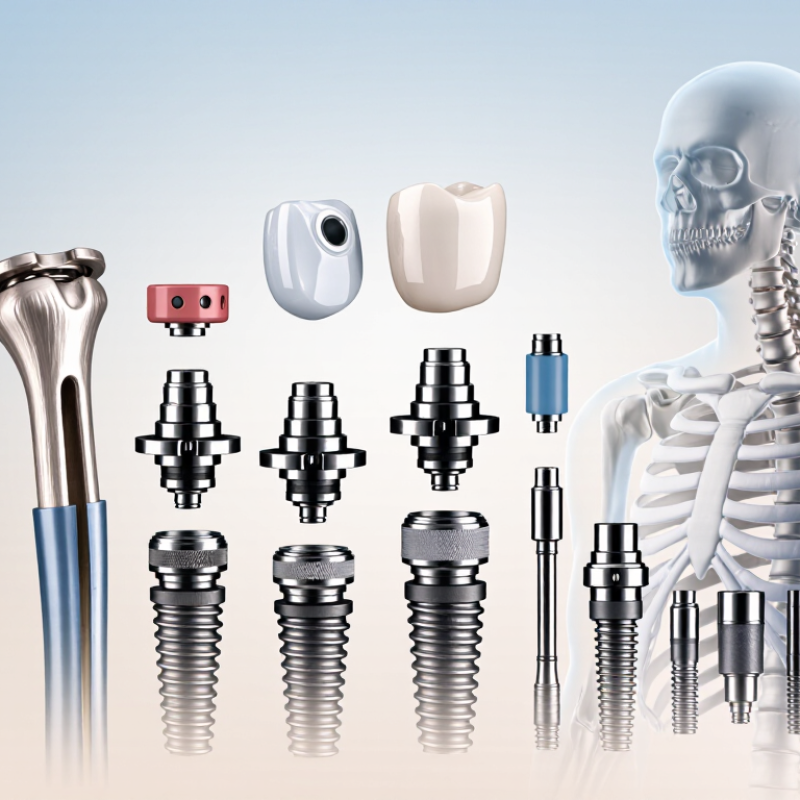
Shoulder Reconstruction Implants: Definition and Clinical Purpose
Shoulder reconstruction implants are medical devices used to replace or support damaged parts of the shoulder joint. Depending on the procedure, components may include a metal ball and stem, a socket liner, or both. Some designs keep the joint’s natural arrangement; reverse designs switch the ball and socket positions. The choice depends on the patient’s anatomy and the condition being treated.
The clinical purpose is to reduce pain and improve useful movement when damage from arthritis, a severe fracture, or rotator cuff disease limits daily activities. A surgeon considers bone quality, remaining tendon function, age, activity needs, and prior procedures. The fit matters. A reverse implant may help when the rotator cuff cannot reliably move the arm, while other patients may be suited to conventional reconstruction. No implant restores every motion.
Planning also includes reviewing imaging, implant fixation, and likely rehabilitation demands. Patients should understand that recovery takes time and outcomes vary. Pain may persist. Implant wear, loosening, instability, or infection are possible complications, so follow-up matters. Device selection is a clinical decision, not a product ranking; the most appropriate option is the one matched to the patient’s anatomy, surgical findings, and informed goals.
Top Shoulder Reconstruction Implants for Global Buyers - Shoulder Reconstruction Implants: Definition and Clinical Purpose
| Implant or Concept | Definition | Typical Clinical Purpose | Key Selection Considerations |
|---|---|---|---|
| Anatomic total shoulder arthroplasty | Replaces the humeral head with a prosthetic head and resurfaces the glenoid with a prosthetic socket, maintaining the shoulder’s natural ball-and-socket arrangement. | May be considered for painful glenohumeral arthritis when the rotator cuff is functional and the glenoid can support the implant. | Rotator cuff integrity, glenoid bone stock and wear pattern, patient anatomy, and the surgeon’s assessment of stability and fixation. |
| Reverse total shoulder arthroplasty | Reverses the joint’s ball-and-socket configuration: a ball component is fixed to the glenoid and a socket component is placed on the humerus. | May be used for conditions such as cuff tear arthropathy, certain complex fractures, or some failed shoulder replacements when the rotator cuff cannot reliably support an anatomic design. | Deltoid function, glenoid bone stock, implant positioning, fracture pattern when relevant, and risks such as instability or component loosening. |
| Hemiarthroplasty | Replaces the humeral head while leaving the natural glenoid surface in place. | May be selected in certain fracture or joint-disease cases when replacing the glenoid is not appropriate or is not planned. | Condition of the glenoid, rotator cuff function, fracture characteristics, expected joint mechanics, and the possibility of later glenoid wear. |
| Humeral resurfacing implant | Covers the damaged surface of the humeral head while preserving more of the underlying bone than a conventional stemmed humeral component. | May be considered for selected patients with suitable humeral anatomy and limited damage, depending on the condition of the glenoid and surrounding tissues. | Available bone stock, head shape, glenoid condition, cuff function, and whether the chosen reconstruction can provide durable pain relief and function. |
| Humeral stem and head components | The humeral stem is placed within the upper arm bone; the head component recreates the joint’s humeral side. Designs and fixation methods vary. | Used as part of anatomic or reverse shoulder reconstruction, and in some fracture reconstructions. | Bone quality, canal anatomy, component sizing, fixation approach, and the need to restore appropriate shoulder height and soft-tissue tension. |
| Glenoid component | A prosthetic socket used in anatomic total shoulder arthroplasty; its design and fixation depend on the patient’s anatomy and the selected system. | Resurfaces the glenoid side of the joint to address painful articular damage when glenoid replacement is appropriate. | Glenoid bone stock and wear, component positioning, fixation support, and the risk of loosening over time. |
| Glenoid baseplate and glenosphere | In reverse shoulder arthroplasty, the baseplate is fixed to the glenoid and supports a ball-shaped component called a glenosphere. | Provides the glenoid-side structure for a reverse construct and changes joint mechanics so the deltoid can contribute more to arm elevation when the rotator cuff is deficient. | Glenoid bone stock, secure fixation, implant position, deltoid function, and potential effects on movement and stability. |
| Fixation approach | Implants may use cemented fixation, press-fit fixation, or a combination, depending on the component, bone quality, and clinical plan. | Anchors implant components to bone as part of reconstruction. | Bone quality, component type, fracture or arthritis context, and the surgeon’s judgment. The appropriate approach is patient-specific. |
| Overall clinical purpose | Shoulder reconstruction implants are medical devices used to replace or resurface damaged joint surfaces and restore a functional joint structure. | The goals may include reducing pain and improving shoulder function, such as reaching and daily activities. Outcomes vary by diagnosis, implant, rehabilitation, and patient factors. | Diagnosis, rotator cuff and deltoid function, bone quality, medical history, activity needs, risks, and expected rehabilitation requirements. |
FAQS
The rounded upper arm bone meets a shallow socket. Cartilage helps the surfaces glide. The rotator cuff, shoulder blade, collarbone, tendons, and muscles also support movement.
Advanced osteoarthritis, complex fractures, and rotator cuff tear arthropathy may be considered. Night pain, stiffness, weakness, or trouble reaching a shelf can occur. These symptoms alone do not confirm a diagnosis.
Anatomic designs generally follow the shoulder’s natural shape. Reverse designs change the ball-and-socket arrangement and may be considered when the rotator cuff cannot provide reliable support. It depends on the individual.
Planning can involve imaging, examination, bone quality, prior surgery, and personal goals. Anatomy varies. Measurements help, but they cannot remove every uncertainty.
Many systems use metal alloys for the upper arm stem and durable polyethylene for the socket surface. Titanium with porous coating may support bone integration. No material is perfect.
Stem diameter, head size, offset, and modular connections can affect fit and flexibility. Check material specifications, compatibility, and clinical evidence. More size options do not guarantee a better result.
The patient’s condition, implant design, prior surgery, soft tissues, and bone loss can all matter. A deltopectoral approach is common; anterosuperior access may suit selected cases. No single detail decides everything.
The surgical approach, the person’s condition, and rehabilitation needs all matter. A qualified shoulder specialist should discuss likely benefits and risks. Even careful planning has limits.
Conclusion
Shoulder Reconstruction Implants are medical devices used to restore shoulder function when injury, wear, or disease has significantly damaged the joint. This overview explains the shoulder’s anatomy and describes common conditions that may lead to reconstruction, such as severe arthritis, complex fractures, or substantial damage to joint structures. It also introduces the main implant configurations, including designs that replace or support different parts of the shoulder, and outlines how the choice may relate to a patient’s anatomy, bone quality, and remaining soft-tissue function.
The article reviews implant materials and design features, along with the general surgical approaches used to position them. For global buyers, it highlights practical selection considerations: relevant quality and safety standards, supplier capabilities, product documentation, clinical support, and consistency of supply. Careful assessment of these factors can help healthcare organizations compare options responsibly and select implants suited to clinical needs, local requirements, and the intended patient population.
