Featured Orthopedic Micro & Trauma Plating Systems
Anatomically contoured locking compression plates designed for high-stability trauma reconstruction
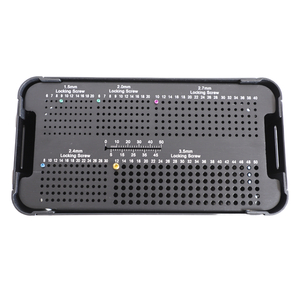
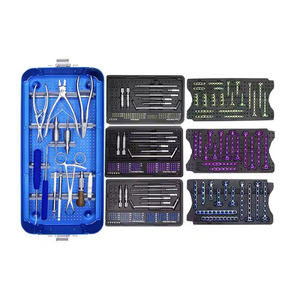
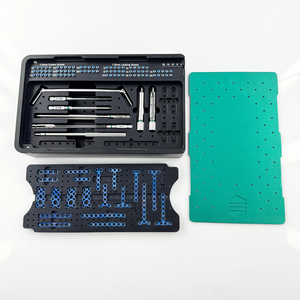
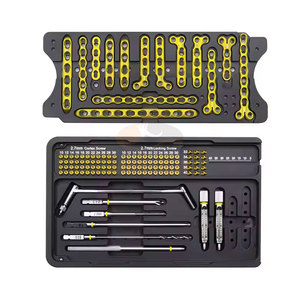
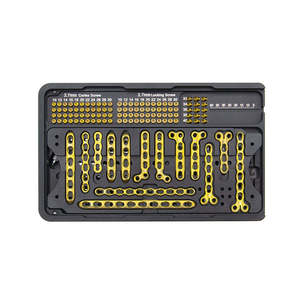
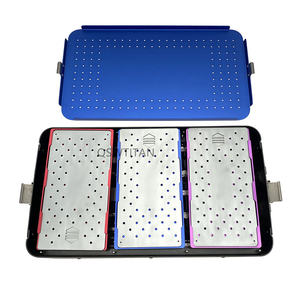
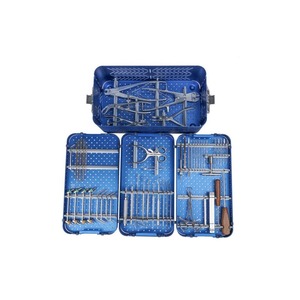
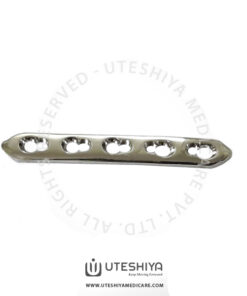
1. Clinical Biomechanics & Metallurgical Architecture of Distal Radius Locking Plates
Distal radius fractures constitute approximately 18% of all adult traumatic fracture presentations encountered in orthopedic emergency surgical units globally. The primary objective of internal osteosynthesis for extra-articular (AO/OTA 23-A) and intra-articular (AO/OTA 23-B/C) fractures is the precise anatomical reconstruction of the radiocarpal articular surface, maintenance of radial length, restoration of volar tilt (typically 11° to 12°), and stabilization of radial inclination (22° to 23°).
As a leading CE Certified Distal Radius Locking Compression Plate Manufacturer & Supplier, Uteshiya Medicare integrates advanced anatomical geometry into pre-contoured volar and dorsal locking plates. Modern locking compression plating (LCP) technology creates a fixed-angle construct that relies on the mechanical thread interface between the screw head and the threaded plate hole rather than friction between the plate and cortical bone. This biomechanical paradigm offers superior construct rigidity, mitigating primary and secondary loss of reduction, particularly in osteoporotic bone beds where conventional cortical screw purchase is severely compromised.
Clinical Gain Note: Dynamic Combi-Hole technology allows surgeons to select between standard dynamic compression (for interfragmentary compression) and fixed-angle locking fixation within a single implant design, maximizing intraoperative versatility across complex distal radius comminutions.
Biomechanical Principles: Fixed-Angle vs. Friction-Dependent Fixation
Conventional non-locking plates depend entirely on cortical screw torque pressing the metal construct tightly against the periosteum. This mechanical interaction risks compromising local periosteal blood supply, leading to delayed union or avascular necrosis. Conversely, Distal Radius Locking Compression Plates act as internal fixators. Because the screw heads thread directly into the plate matrix:
- Periosteal Preservation: Direct plate-to-bone contact pressure is minimized, preserving microvascular perfusion of the distal radial metaphyseal fragment.
- Screw Back-Out Prevention: Threaded engagement prevents toggling and hardware loosening under dynamic loading during early wrist rehabilitation.
- Subchondral Support Architecture: Raft-locking screw configurations (distal row peg/screw alignment) provide subchondral support directly beneath the styloid process and lunate fossa.
| Biomechanical Feature | Standard Non-Locking Plate | CE Certified Distal Radius LCP System | Clinical Advantage |
|---|---|---|---|
| Primary Stability Mechanism | Plate-to-bone friction compress | Threaded Screw-to-Plate Fixed Angle Interface | Eliminates loss of reduction in osteoporotic bone |
| Periosteal Perfusion | High compression reduces blood supply | Low-profile anatomical offset preserves microvessels | Accelerates bone healing and osteogenesis |
| Screw-Toggling Resistance | Low under cyclic bending forces | High fatigue limit (ISO 14801 compliant design) | Prevents secondary collapse of volar tilt |
| Intraoperative Versatility | Compression only | Combi-Holes (Compression + Angular Locking) | Facilitates tailored multi-fragment reduction |
2. Material Science Excellence: Titanium Alloy (Ti-6Al-4V ELI) vs. 316L Stainless Steel
Selecting the optimal implant material directly dictates long-term biocompatibility, mechanical endurance, and radiologic evaluation clarity. Uteshiya Medicare manufactures Distal Radius Locking Compression Plates in two distinct medical-grade material formulations, adhering to stringent international metallurgical standards.
Titanium Alloy (Ti-6Al-4V ELI)
Manufactured under ISO 5832-3 / ASTM F136 specifications. Features low elastic modulus (~110 GPa), bringing construct stiffness closer to native human cortical bone (15–30 GPa) to reduce stress shielding.
316L Stainless Steel
Processed under ISO 5832-1 / ASTM F138. Offers higher ultimate tensile strength and ductility, facilitating manual intraoperative contouring when dealing with irregular distal radius anatomic variations.
Surface Type Anodization
Titanium plates undergo Type II Electrochemical Anodization, forming a bio-inert oxide layer that dramatically reduces soft-tissue adhesion and flexor tendon attrition along the Watershed line.
Volar Contouring & Tendon Impingement Avoidance
A critical consideration in distal radius plating is the avoidance of flexor pollicis longus (FPL) and flexor digitorum profundus (FDP) tendon rupture. Plates placed distal to the anatomical "Watershed line" dramatically increase tendon friction. Our engineering team utilizes 3D optical scanning of multi-ethnic skeletal databases to design ultra-low profile plate distal rims (plate thickness ranging from 1.5mm to 2.0mm at the articular edge), featuring rounded chamfered margins that smoothly nestle within the pronator quadratus fossa.
3. Future Procurement & Sourcing Trends in Orthopedic Trauma (2025–2030)
The global market for orthopedic trauma devices is experiencing a structural realignment driven by stringent regulatory overhauls, shifting reimbursement models, and decentralized medical device manufacturing. Healthcare procurement directors, orthopedic distributors, and OEM buyers must navigate several emerging trends over the coming decade:
A. Regulatory Harmonization and Mandatory CE MDR Compliance
With the European Union transitioning fully under the Medical Device Regulation (EU MDR 2017/745), sourcing certified trauma plates requires verified clinical evaluation reports (CER), post-market clinical follow-up (PMCF) datasets, and complete material traceability. Global suppliers lacking ISO 13485:2016 and MDR-backed quality management systems are rapidly being phased out of European, Latin American, and Middle Eastern institutional tenders.
B. Shift Toward Direct Manufacturer Contract & OEM/ODM Partnerships
Hospitals and medical purchasing consortiums are bypassing third-party trading intermediaries to establish direct manufacturing channels with high-volume producers. Direct supplier integration lowers procurement costs by 25–40% while securing custom branding (laser marking), sterile barrier kit packaging, and guaranteed stock supply buffers.
C. Adoption of Patient-Specific Implants (PSI) & 3D Printed Guides
While standard pre-contoured plates serve 90% of acute traumatic cases, malunited or non-union distal radius reconstructions increasingly leverage patient-specific implants. Manufacturers capable of converting patient DICOM CT data into custom titanium alloy fixators provide an immense competitive advantage in tertiary healthcare procurement tenders.
Sterile Kits Demand
Procurement is moving from non-sterile bulk delivery to single-use gamma-sterilized double-blister pack plates with trace-code UDI barcode labels.
ESG & Green Metals
Audits now emphasize carbon-neutral manufacturing lines, eco-friendly passivation chemical recovery, and low-waste CNC Swiss-lathe processing.
Supply Chain Resilience
Hospitals require suppliers to maintain multi-regional warehousing and guaranteed 72-hour international freight dispatches for core trauma lines.
4. Corporate Capabilities & Institutional Enterprise Advantages
Uteshiya Medicare (Kaisen Medical Care) stands as a benchmark certified manufacturer of orthopedic implants, trauma plates, spinal systems, and external fixators. Operating out of state-of-the-art facilities in Gujarat, India, our manufacturing ecosystem combines precision engineering with clinical rigor.
Key Operational Capabilities:
- 1,000+ Approved Products: Extensive regulatory product portfolio spanning trauma plating, micro fragment sets, intramedullary nails, spine pedicle screws, and CMF plates.
- In-House Cleanroom & Sterile Facility: ISO Class 7 cleanroom manufacturing and packaging units, ensuring uncompromised biological safety and zero-pyrogen standards.
- Advanced CNC Machining: Multi-axis DMG MORI and Citizen Swiss-type CNC machines delivering micro-tolerances down to ±0.005mm on locking screw thread profiles.
- Comprehensive Quality Control: Automated optical measurement machines (OMM), coordinate measuring machines (CMM), dynamic fatigue testing rigs, and full Spectrometer raw-material analysis.
- Global Footprint in 30+ Nations: Trusted by orthopedic surgeons, ministry tenders, and private hospital networks across Europe, Asia-Pacific, Latin America, and Africa.
OEM/ODM Enterprise Partnership: Uteshiya Medicare provides white-label contract manufacturing, customized tray configuration, laser marking, and complete regulatory file documentation (STED format) for private brand owners worldwide.
5. Sourcing & Technical FAQ (Procurement & Clinical)
Address common technical, regulatory, and procurement inquiries regarding our Distal Radius Locking Compression Plating systems:
Our Distal Radius Locking Compression Plating system utilizes 2.4mm and 2.7mm locking screws in the distal articular head segment, and 2.7mm locking / cortical screws in the proximal shaft segment. All screw heads feature a precise Star/Torx drive recess to optimize torque transfer and minimize cam-out risks during insertion.
Every shipment is delivered with comprehensive compliance documentation: ISO 13485:2016 quality management system certificate, CE certification, Material Test Reports (MTR) confirming 316L SS or Titanium grade compliance, Certificate of Conformity (CoC), and Sterilization Validation Certificates (ISO 11137 for Gamma sterilization).
Our distal plates are anatomically modeled to sit proximal to the Watershed line. The distal lip features a micro-chamfered edge with low-profile screw head flush seating, preventing mechanical friction against the flexor pollicis longus (FPL) and flexor digitorum profundus (FDP) tendons during active thumb and finger flexion.
For standard Uteshiya Medicare catalog products, we offer flexible low-MOQ starter packages. For customized OEM private label manufacturing (including custom laser etching, customized tray layouts, and localized packaging boxes), our typical baseline MOQ starts at 50 units per plate SKU variant.
We implement a strict 100% thread gauge verification process. Every single locking hole on our plates is tested with GO/NO-GO thread gauges, and dynamic torque testing is performed on random sampling lots to ensure smooth cross-thread-free insertion and exact locking lockup torque values.
Partner with a Premier Global Orthopedic Implants Manufacturer
Request detailed technical specifications, regulatory master files, or institutional pricing quotes for our CE Certified Distal Radius Locking Compression Plates.