Featured Mini Micro & Elastic Fixation Systems
Precision-engineered CE / ISO 13485 certified orthopedic trauma implants & modular instrument sets directly from China's premier manufacturing facility.
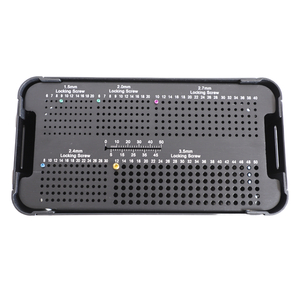
Veterinary Mini Micro Fragment System Stainless Steel Trauma Kit
Send an Inquiry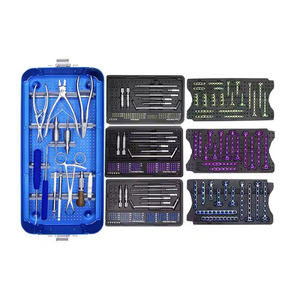
1.5 / 2.0 / 2.4mm Modular Stainless Steel Locking Fixation System
Send an Inquiry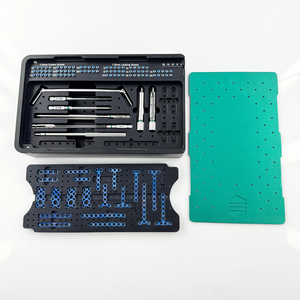
1.5mm Titanium Alloy Mini Micro Fragment Locking Instrument Set
Send an Inquiry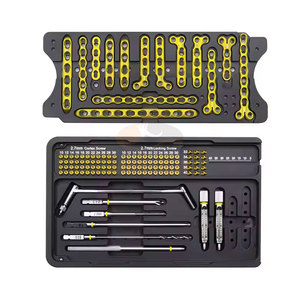
2.7mm Premium Stainless Steel Manual Locking Trauma Set
Send an Inquiry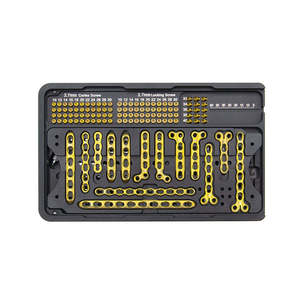
Class II ISO 13485 2.7mm Steel Mini Fragment Surgical System
Send an Inquiry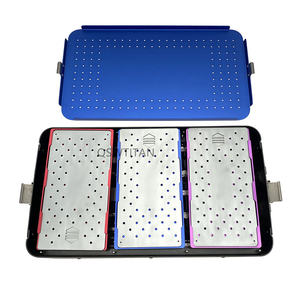
Finger & Metacarpal Bone Elastic & Locking Plate System
Send an Inquiry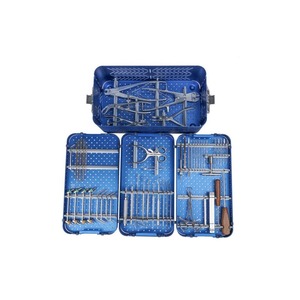
Hand, Foot, Wrist & Maxillofacial Trauma Instrument Kit
Send an Inquiry
Eaven Mini Micro Elastic Intramedullary & Locking Trauma System
Send an InquiryBiomechanical Foundations of Elastic Stable Intramedullary Nailing (ESIN)
The Elastic Intramedullary Nail System—frequently designated in clinical literature as Titanium Elastic Nailing System (TENS) or Elastic Stable Intramedullary Nailing (ESIN)—represents a paradigm shift in pediatric traumatology and mini-fragment long bone fixation. Unlike rigid intramedullary nails used in adult diaphyseal fractures, the elastic intramedullary nail operates on the dynamic principle of flexible three-point stabilization.
When two C-shaped or S-shaped pre-bent elastic nails are inserted symmetrically into the medullary canal from opposite metaphyseal entry points, they generate a continuous outward flexural force against the inner cortical walls. This biomechanical tension yields three essential dynamic forces required for physiological secondary bone healing:
Flexural Stability
Restores equalized longitudinal axis alignment. The continuous outward elasticity prevents angular displacement and sagittal/coronal deformation during weight-bearing shifts.
Axial Stability
Provides robust resistance against shortening and compression overload. Controlled axial micromotion accelerates robust periosteal callus formation at the fracture gap.
Torsional Stability
Balanced dual-nail cortical friction resistance counters rotational forces, eliminating the need for aggressive external cast immobilization in mid-diaphyseal pediatric fractures.
Clinical Insight (Information Gain): Clinical studies demonstrate that optimal biomechanical stability with ESIN requires each nail diameter to occupy exactly 33% to 40% of the narrowest internal diameter of the medullary canal. Pre-bending the nail to a curvature 3 times the canal diameter ensures max spring tension across the fracture site.
Metallurgical Engineering: Titanium Grade 5 ELI vs. Stainless Steel 316L
Global medical device procurers and OEM orthopedic brand managers face critical choices regarding material selection. Modern Chinese factories leverage multi-axis Swiss CNC machining and centerless grinding processes to produce elastic nails in both medical-grade Titanium Alloy and Implant Stainless Steel.
| Biomechanical Property | Titanium Alloy (Ti-6Al-4V ELI / ASTM F136) | Stainless Steel (316L / ASTM F138) | Clinical / Manufacturing Impact |
|---|---|---|---|
| Modulus of Elasticity (GPa) | 110 - 114 GPa | 190 - 200 GPa | Titanium closer to human cortical bone (~18 GPa); minimizes stress shielding. |
| Ultimate Tensile Strength (MPa) | ≥ 860 MPa | ≥ 690 MPa | Titanium provides higher strength-to-weight ratios under dynamic loading. |
| Fatigue Limit (10^7 Cycles) | Superior High-Cycle Fatigue Resistance | Moderate Fatigue Life | Ti-6Al-4V ELI resists cyclical micro-bending without structural failure. |
| Surface Anodization & Passivation | Type II Anodization (Color-coded by diameter) | Electropolished Passivation (ASTM F86) | Type II anodization increases surface hardness and prevents tissue adhesion. |
| MRI Compatibility | MRI Safe (Minimal magnetic artifact) | Magnetic Susceptibility Artifacts | Titanium preferred for post-operative neuro-vascular MRI evaluation. |
Future B2B Procurement Trends in Orthopedic Elastic Nailing Systems (2025–2030)
As the international medical device regulatory landscape shifts toward stringent traceability and environmental sustainability, procurement directors for hospital groups and international distributors must adapt their sourcing strategies. China's top orthopedic factories have evolved from low-cost contract manufacturers into high-tech, vertically integrated R&D centers offering strategic OEM/ODM partnerships.
1. Complete Regulatory Dossier Supply
Leading Chinese exporters provide comprehensive Technical Files (MDR EU 2017/745, US FDA 510k-ready dossiers, ISO 13485 test protocols) alongside physical shipments to streamline local registration.
2. Modular Hybrid Instrumentation Sets
Procurement demand is moving toward universal surgical sets that combine Mini Micro Fragment locking plates with Elastic Intramedullary Nailing instruments, reducing autoclave footprint.
3. Eco-Friendly Cleanroom Sterilizable Packaging
Shift toward pre-sterilized, double-peel Tyvek pouching with GS1 DataMatrix UDI labeling, allowing immediate OR deployment without double handling in centralized sterile supply departments.
Next-Generation R&D Trends in Elastic Intramedullary Nailing
Engineers at top tier Chinese orthopedic manufacturing facilities are spearheading several technological innovations aimed at improving surgical efficiency and anatomical adaptation:
A. Flattened & Bullet-Tip Geometry Innovations
Traditional elastic nails featured pointed bevel tips that occasionally risked penetrating the opposing cortical wall or damaging unclosed epiphyses in pediatric patients. Advanced factories now manufacture curved, bullet-shaped (flattened) tips. This specific geometry allows the nail to glide smoothly along the inner endocortical wall without scoring or breaching the bone cortex during manual insertion.
B. Color-Coded Diameter Identification Systems
To eliminate intraoperative confusion, Titanium Elastic Nails are treated with electrochemical Type II color anodizing. Standard diameters (1.5mm, 2.0mm, 2.5mm, 3.0mm, 3.5mm, and 4.0mm) correspond to distinct biocompatible color channels (e.g., Gold, Green, Blue, Violet, Magenta), enabling instant surgical verification under fluoroscopy.
C. Integrated End-Cap Locking Mechanisms
To mitigate the common post-operative complication of nail backing-out and soft-tissue irritation near entry portals, modern systems incorporate threaded end-caps. These caps securely lock into the metaphyseal cortical entry hole while anchoring the distal tip of the elastic nail, providing enhanced axial stability in unstable oblique or spiral fractures.
Why Partnering with Our Manufacturing Facility Gives You a Competitive Edge
Utilizing advanced manufacturing technology, state-of-the-art testing facilities, and absolute quality commitment, we empower global brands to capture higher market share.
Raw Material Excellence
100% certified implant-grade raw materials sourced exclusively with mill test certificates (Ti-6Al-4V ELI & 316L Stainless Steel).
Precision Swiss CNC Machining
Citizen & Star multi-axis CNC machines deliver tight dimensional tolerances within ±0.005mm for ultimate implant consistency.
Strict Quality Control
100% optical coordinate inspection, 3D laser measurement, and destructive dynamic fatigue testing per ASTM F1264 protocols.
OEM/ODM Customization
Custom nail diameters, specialized bevel tips, custom laser marking, packaging, and custom instrument kit assembly.
Frequently Asked Questions (FAQ) for B2B Sourcing
Technical guidance for medical equipment importers, procurement managers, and hospital purchasing officers.
Ready to Partner with China's Premier Orthopedic Implants Factory?
Request detailed product catalogs, technical dossiers, metallurgical certifications, or request an instant factory-direct quote for high-volume orders.