
Biomechanical Engineering of Pelvic External Fixation Systems in High-Energy Trauma
Pelvic ring disruptions represent some of the most critical challenges in acute traumatology. Accounting for 3% to 8% of all skeletal injuries, high-energy pelvic fractures—often arising from motor vehicle collisions, industrial accidents, or severe falls—are associated with substantial mortality rates due to rapid retroperitoneal hemorrhage and acute hemodynamic instability. In emergency damage control orthopedics (DCO), the rapid application of an External Pelvic Fixation Frame is universally recognized as a life-saving procedure that restores pelvic volume, stabilizes disrupted sacroiliac joints, and facilitates biological clot formation.
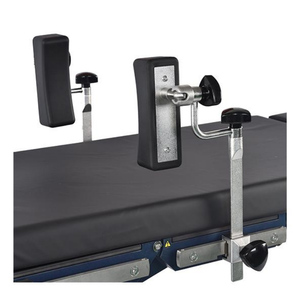
As a leading OEM/ODM Pelvic External Fixation Frame Manufacturer & Exporter, our engineering design principles center on maximizing rigidity while minimizing insertion time and tissue disruption. Modern pelvic external fixation must balance immediate mechanical compression with long-term axial stability. Dynamic external fixators, T-Type pelvic stabilization frames, and clinical Pelvic C-Clamps serve as crucial temporary or definitive stabilization vectors depending on the anatomical pattern of fracture disruption under the Tile and Young-Burgess classification systems.
Anatomical Target Zones & Mechanical Vector Configurations
Achieving stable skeletal fixation demands strict adherence to anatomic corridors. External pelvic fixators manufactured by our ISO-certified facilities support two primary insertion methods:
- Iliac Crest Pin Placement (Anterior Superior Iliac Spine - ASIS): Utilizing multi-pin clamps attached to carbon fiber or medical-grade stainless steel connecting rods. This placement provides robust rotational control for Anteroposterior Compression (APC) injuries.
- Supra-Acetabular Pin Placement (Anterior Inferior Iliac Spine - AIIS): Positioned 2 cm superior to the acetabular rim targeting the dense bone column extending toward the posterior ilium. Supra-acetabular fixation yields significantly higher torsional stiffness and pull-out resistance, ideal for Lateral Compression (LC) and Vertical Shear (VS) instabilities.
| Fixation Construct Type | Primary Clinical Indication | Biomechanical Rigidity (N/mm) | Recommended Biomaterial | Fluoroscopic Guidance Required |
|---|---|---|---|---|
| Pelvic C-Clamp System | Posterior Pelvic Disruptions, Hemodynamically Unstable Sacral Fractures | High Axial Stability (450+ N/mm) | 316L Stainless Steel / Titanium Alloy | Targeted Iliac Posterior Aspect (Obligatory) |
| Supra-Acetabular 2-Rod Frame | Vertical Shear (VS) & APC Type II/III Fractures | Medium-High Torsional Rigidity (380 N/mm) | Carbon Fiber Rods + Ti Schanz Pins | Oblique Obturator & Iliac Wing Views |
| Iliac Crest Standard T-Frame | Emergency Stabilization / Anterior Ring Compression | Moderate Rotational Rigidity (260 N/mm) | High-Grade Stainless Steel Frame | Anatomic Palpation & Direct Visual Control |
| Dynamic Axial Pelvic Fixator | Controlled Micromotion for Progressive Bone Healing | Adjustable Dynamic Stiffness (150-400 N/mm) | Anodized Aircraft Aluminum & Stainless Steel | Standard AP & Inlet/Outlet Fluoroscopy |
Comprehensive Product Breakdown & Surgical Recommendations
When selecting external fixation hardware for emergency trauma centers, orthopedic distributors and hospital procurement committees must consider bone density, re-usability of instrumentation, radiolucency requirements, and surgeon familiarity with clamp mechanics. Below is an engineering evaluation of our core OEM/ODM external fixation line:
1. Dynamic Axial Fixators & T-Type Pelvic External Fixation Systems
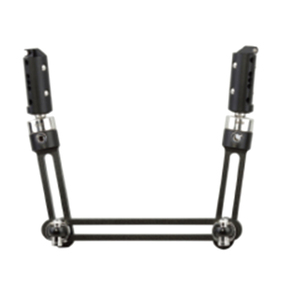
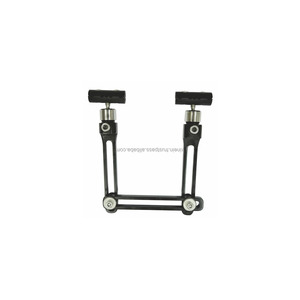
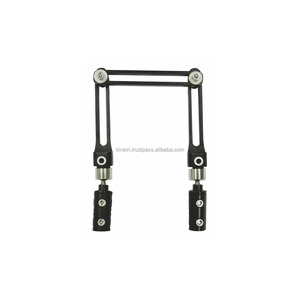
Our Dynamic Fixator Pelvis T-Type External Fixation Systems incorporate micro-dynamic axial movement capabilities. Unlike static rigid constructs, dynamic axial fixators allow controlled axial micromotion along the load-bearing axis during the late callus formation phase. This mechanical strain stimulates osteoblast differentiation according to Wolff’s Law, accelerating osteogenesis and reducing non-union risk. Constructed with high-strength snap-lock universal clamps, surgeons can adjust spatial angles without disassembling the primary frame.
2. High-Strength Stainless Steel Manual Pelvic C-Clamps
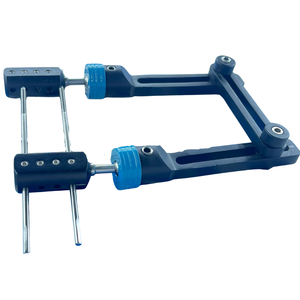
For acute posterior pelvic ring disruption involving sacral fractures or sacroiliac joint dislocations, anterior frames often provide insufficient stiffness. The Bisons International CE Certified Stainless Steel Manual Pelvic C-Clamp System applies direct compressive forces across the posterior iliac wings straight to the sacrum. Featuring self-drilling, bone-anchoring pins with protective mechanical depth stops, the C-Clamp can be rapidly applied in the emergency room or resuscitation bay within minutes, serving as a definitive bridge to open reduction and internal fixation (ORIF).
3. Complete Orthopedic Trauma Instrument Kits (HJ Hoffmann Type Compatible)
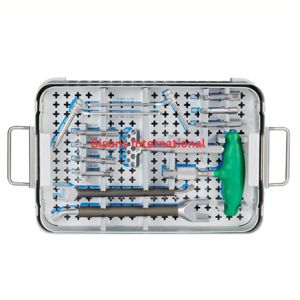
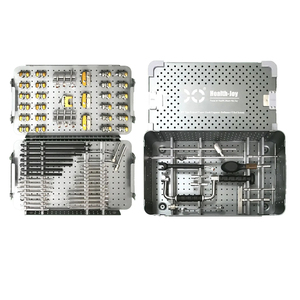
Designed for global traumatology units, our HJ Hoffmann Type External Fixation Modular Kits contain universal rod-to-rod clamps, pin-to-rod clamps, carbon fiber connecting tubes (8mm, 11mm, and 12mm diameters), and specialized 5.0mm self-tapping Schanz pins. Fully compatible with standard cleaning and steam sterilization protocols (ISO 17665), these reusable instrument sets provide complete modular freedom for complex pelvic, femoral, and tibial trauma combinations.
Global Sourcing Trends & Procurement Dynamics (2025–2030)
The global orthopedic external fixation device market is experiencing a structural shift driven by changes in healthcare economics, regulatory frameworks, and surgical technology. Medical device distributors, GPOs (Group Purchasing Organizations), and OEM brand owners must align their procurement strategies with four key emerging macro-trends:
1. Transition to Carbon-Fiber Radiolucent Structural Components
Traditional stainless steel connecting rods are increasingly being replaced by ultra-lightweight carbon fiber composite rods. Carbon fiber offers complete radiolucency under intraoperative C-arm fluoroscopy and CT imaging, eliminating metallic artifact distortion during fracture reduction assessment. Procurement departments are prioritizing OEM suppliers capable of delivering hybrid systems that pair high-strength titanium alloy pin-clamps with radiolucent carbon fiber rods.
2. Rise of Single-Use Sterile Modular Kits vs. Reusable Instrument Trays
While reusable traumatology kits remain foundational for hospital surgical suites, healthcare-associated infection (HAI) mitigation protocols are accelerating demand for pre-sterilized, single-use external fixator procedure packs. Hospitals are evaluating Total Cost of Ownership (TCO)—factoring in sterilization processing costs, tray management logistics, and pin-tract infection risks—leading to an increase in ODM contracts for gamma-sterilized, ready-to-use pelvic emergency kits.
3. Supply Chain Localization & Regulatory Compliance Rigor (QMSR & MDR)
With the transition from Europe's MDD to MDR (Medical Device Regulation 2017/745) and the US FDA’s alignment with ISO 13485 under QMSR (Quality Management System Regulation), global buyers are shifting contracts away from non-certified low-cost manufacturers. Importers are seeking contract manufacturers with established CDSCO approvals, ISO 13485:2016 certifications, complete material heat-number traceability, and audited Class 100,000 cleanroom packaging capabilities.
4. Growth of Patient-Specific & 3D-Printed Hybrid External Fixators
Surgeons dealing with severe pelvic bone loss or complex mal-unions require customized fixation geometry. Contract manufacturers with advanced additive manufacturing (3D printing in Ti6Al4V) and CAD/CAM Swiss CNC machining are best positioned to deliver custom-fit anatomical clamps and dynamic fixation joints integrated with standard external fixator pins.
Technological Trajectories: The Next Generation of Pelvic Stabilization
As trauma care protocols advance toward hyper-personalized surgery, external pelvic fixation is evolving from crude static scaffolds into intelligent, bio-interactive stabilization platforms. Industry leaders are concentrating engineering efforts on three core technological frontiers:
A. Surface Engineering & Infection Mitigation Coatings
Pin-tract infection remains the single most common complication associated with prolonged external fixation, occurring in up to 30% of clinical cases. Advanced OEM manufacturing now incorporates specialized surface modifications on Schanz pins and threaded bone screws:
- Hydroxyapatite (HA) Nanocoating: Thermal spray HA coating promotes rapid osseointegration at the bone-pin interface, reducing mechanical loosening by up to 60% and creating a seal against bacterial migration down the pin track.
- Silver Ion & Antimicrobial Vapor Deposition: Nano-silver plasma spraying suppresses bacterial colonization (e.g., Staphylococcus aureus), extending safe clinical implantation durations.
- Titanium Nitride (TiN) Coating: Reduces friction during manual insertion, minimizing thermal necrosis of adjacent cortical bone tissue.
B. Sensor-Integrated "Smart" External Fixators
The integration of micro-electromechanical systems (MEMS) into dynamic fixation bodies represents a major leap forward in orthopedic trauma management. Embedded micro-strain gauges and wireless telemetry sensors measure real-time axial load distribution and micro-motion across the fracture gap. This objective data allows orthopedic surgeons to precisely monitor callus formation and prescribe tailored weight-bearing regimens, optimizing recovery timelines.
C. Quick-Coupling Mechanics & Ergonomic Clamp Architecture
In emergency resuscitation settings, seconds save lives. Modern OEM designs focus on tool-less, single-click snap-fit clamping mechanisms. Utilizing high-torque ball joints with serrated anti-slip friction surfaces, surgeons can achieve 3D multi-planar reduction and lock the entire pelvic construct using a single ergonomic wrench key.
Why Partner With Us: World-Class OEM/ODM Manufacturing Capabilities
Built upon a foundation of engineering precision and clinical insight, our manufacturing facility stands as a premier global supplier of orthopedic implants and traumatology instrumentation. Operating in strict compliance with CDSCO, ISO 13485:2016, and US FDA regulatory standards, we offer end-to-end contract manufacturing (OEM/ODM) services tailored to international medical brands and hospital networks.
Core Industrial & Manufacturing Advantages:
- Raw Material Integrity & Full Metallurgical Traceability: We exclusively utilize implant-grade 316L Stainless Steel (ASTM F138 / ISO 5832-1) and Titanium Alloy Ti-6Al-4V ELI (ASTM F136 / ISO 5832-3) sourced from certified metallurgical suppliers. Every batch undergoes ultrasonic defect testing, spectrographic chemical analysis, and mechanical tensile testing.
- In-House Cleanroom & Sterile Packaging Facility: Our facility features a certified Class 100,000 (ISO Class 8) cleanroom equipped with automated ultrasonic washing lines, blister sealing, and ethylene oxide (EtO) / Gamma sterilization validation systems, guaranteeing sterile delivery ready for clinical operating rooms.
- Custom Engineering, Prototyping & CAD/CAM Simulation: Our R&D team utilizes advanced finite element analysis (FEA) to simulate biomechanical stress distributions under physiological loads. We assist OEM clients in turning conceptual sketch designs into validated commercial medical devices within accelerated timeframes.
- Extensive CDSCO Product Approval Portfolio: With over 1,000 approved orthopedic implant products covering trauma plates, interlocking nails, spinal pedicle systems, CMF, and external fixators, we provide our global partners with an immediate, compliant expansion of their product catalogs.
- Custom Private Labeling & Laser Etching: Complete branding customization, including direct fiber laser marking of part numbers, lot numbers, GS1-compliant UDI (Unique Device Identification) barcodes, and custom-designed anodized aluminum sterilizing boxes.
Frequently Asked Questions for Medical Buyers & Trauma Surgeons
Partner With a World-Class OEM/ODM External Fixator Manufacturer
Enhance your trauma product portfolio with certified medical-grade pelvic fixation systems, custom instrumentation sets, and reliable contract manufacturing solutions. Connect directly with our engineering and export team today.