Featured Shoulder Surgery & Rehabilitation System
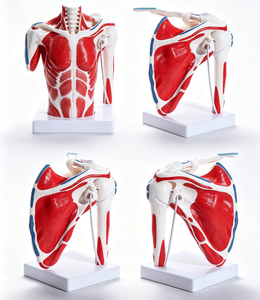
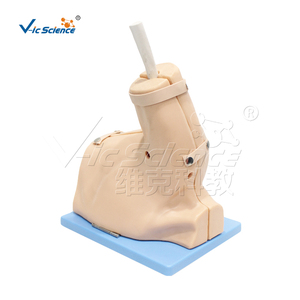
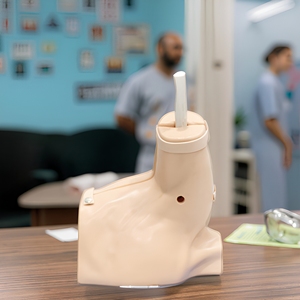
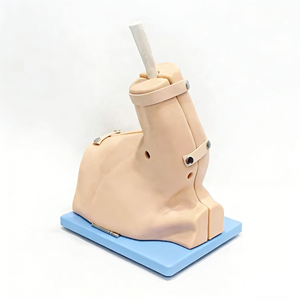
Explore our CDSCO & ISO certified anatomical shoulder models, arthroscopy surgical trainers, and postoperative support systems.

Whitepaper: Biomechanical Engineering & Global Sourcing of Anatomic Shoulder Arthroplasty Systems
Anatomical Total Shoulder Arthroplasty (TSA) represents the gold standard intervention for treating severe glenohumeral osteoarthritis, intact rotator cuff arthropathies, post-traumatic reconstruction, and avascular necrosis of the humeral head. Modern orthopedic joint replacement demands an intricate balance between anatomical restoration, motion kinetics, long-term fixation durability, and micro-motion minimization.
1. Clinical Principles & Biomechanical Considerations in Anatomic TSA
Unlike Reverse Shoulder Arthroplasty (RSA)—which relies on a functional deltoid muscle to substitute for a deficient rotator cuff—Anatomical Shoulder Arthroplasty relies explicitly on a healthy, functional rotator cuff. The engineering of an anatomic shoulder implant system must faithfully replicate patient-specific glenohumeral anatomy to prevent dynamic instability and premature eccentric poly wear.
- Humeral Stem Geometry & Stress Shielding: Next-generation stems utilize shortened, titanium alloy (Ti-6Al-4V ELI) proximal press-fit architectures. Metaphyseal plasma coating or Hydroxyapatite (HA) dual-layers facilitate rapid osseointegration while reducing stress shielding along the distal shaft according to Wolff’s Law.
- Modularity & Eccentricity Adjustments: Anatomical variations in humeral head neck-shaft angle (typically 125° to 140°), retroversion (10° to 30°), and medial/posterior offsets necessitate modular head components. Variable eccentricity dials enable surgeons to align the joint center of rotation seamlessly without destabilizing surrounding soft tissue.
- Glenoid Fixation Technologies: Glenoid loosening remains a primary cause of late TSA revision. Advanced factories utilize highly cross-linked ultra-high-molecular-weight polyethylene (XLPE/UHMWPE) cemented pegged glenoid components, as well as hybrid porous-metal titanium backings that promote biological bone ingrowth into the glenoid vault.
2. Comparative System Specifications: Anatomical vs. Reverse Systems
Below is a comparative breakdown illustrating the key mechanical and structural differences between primary Anatomical Shoulder Arthroplasty systems and Reverse Shoulder configurations manufactured within our advanced medical facilities.
| Specification Parameter | Anatomical Shoulder System (TSA) | Reverse Shoulder System (RSA) |
|---|---|---|
| Primary Indication | Osteoarthritis with Intact Rotator Cuff | Cuff Tear Arthropathy, Complex Fractures |
| Center of Rotation (CoR) | Anatomical (Restored inside Humeral Head) | Medialized & Depressed (Fixed at Glenoid) |
| Humeral Component Material | Ti-6Al-4V ELI / CoCrMo Head Options | Ti-6Al-4V ELI Metaphyseal Cup & Stem |
| Glenoid Surface Interface | Pegged/Keeled UHMWPE (Polished/Porous) | Cobalt-Chrome Glenosphere on Ti Baseplate |
| Target Range of Motion | Full Anatomic Rotation & Elevation | Functional Elevation & Abduction |
| Fixation Mechanism | Cementless Metaphyseal / Cemented Option | Biological Ingrowth Baseplate + Locking Screws |
Future Sourcing & Technology Trends in Shoulder Arthroplasty (2025–2035)
As healthcare systems worldwide shift toward value-based procurement, medical device sourcing teams are re-evaluating supply chains. China's top-tier orthopedic implant manufacturers are at the forefront of combining precision contract manufacturing with cutting-edge digital health technology.
Patient-Specific Instruments (PSI)
Integration of 3D CT reconstruction with custom surgical cutting guides. Preoperative planning software enables sub-millimeter precision in glenoid reaming and screw placement, shortening OR time.
Additive Porous Metal (3D Printing)
Direct Metal Laser Sintering (DMLS) titanium constructs replicate trabecular bone structure (60-70% porosity), achieving superior primary stability and eliminating mechanical interfacedelamination.
Resilient Medical OEM Supply Chains
Vertically integrated factories controlling raw material forging, 5-axis CNC machining, electropolishing, cleanroom packaging, and gamma sterilization ensure reduced lead times and cost efficiency.
Manufacturing Rigor: Why Partner with Uteshiya Medicare
With an extensive portfolio of over 1,000 certified medical devices, trauma plates, spinal systems, and anatomical joint kits, Uteshiya Medicare stands as a leading global manufacturer and exporter serving over 30 countries.
Our infrastructure operates under rigorous medical device quality management frameworks aligned with CDSCO, ISO 13485, and international regulatory guidelines:
- Ultra-Precision Swiss & 5-Axis CNC Machining: Machining titanium alloy and cobalt-chrome components within ±5-micron tolerances to guarantee perfect modular taper locking.
- ISO Class 7 (Class 10,000) Cleanroom Packaging: Every implant undergoes automated ultrasonic cleaning and validated double-barrier packaging prior to sterilization.
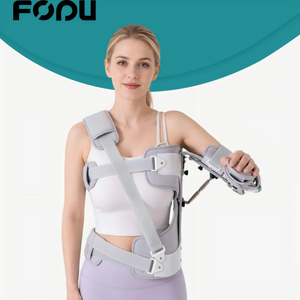
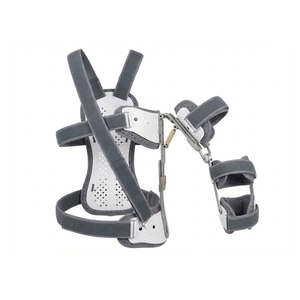
- Comprehensive Medical Training Systems: Providing complete clinical suites including anatomical training models, arthroscopy surgical simulators, and post-operative adjustable abduction bracing systems.
- Custom Patient Implants (CT-to-Implant Pipeline): Dedicated R&D team facilitating custom surgical solutions for complex oncological or reconstructive shoulder cases.
Frequently Asked Questions (FAQ) for Sourcing Officers
Technical and commercial answers for hospital procurement managers, orthopedic distributors, and OEM buyers.
Partner with China's Premier Shoulder Implant Factory
Equip your surgical team and hospital network with industry-leading anatomical shoulder implants, arthroscopy training kits, and postoperative support devices.
Send an Inquiry