Featured Orthopedic & Surgical Systems
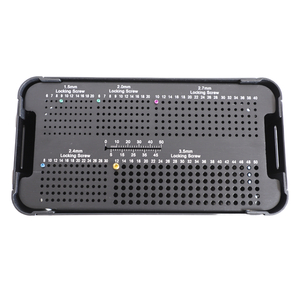
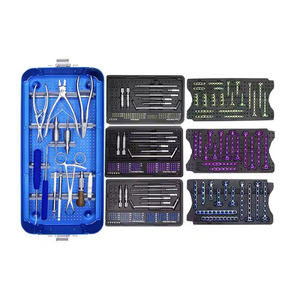
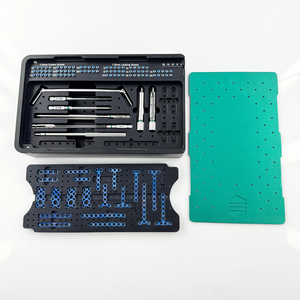
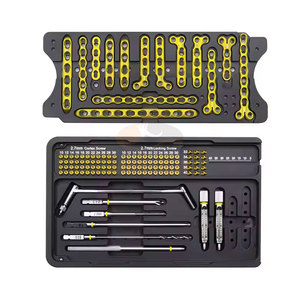
Explore our top-rated mini micro fragment systems, trauma locking plates, and precision surgical instrument sets engineered for superior mechanical stability and clinical success.
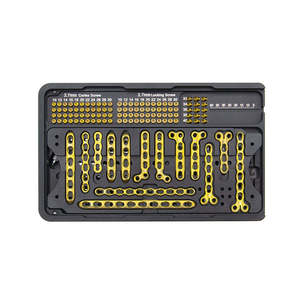
Biomechanical White-Paper: Occipitocervical Fixation Systems in Iraq
Comprehensive Technical Analysis on Posterior Occipitocervical Reconstruction, Metallurgical Standards, and OEM Manufacturing Dynamics for Iraqi Trauma Centers.
Occipitocervical Junction (OCJ) Anatomy & Fixation Challenges
The occipitocervical junction (C0-C1-C2 complex) represents the most anatomically intricate segment of the human spine. Responsible for over 50% of total cervical rotation and flexion-extension movements, surgical stabilization in this region requires implants engineered with unyielding rigidity, exact anatomical contouring, and long-term fatigue resistance. High-velocity traumatic injuries, complex bullet or shrapnel wounds, severe rheumatoid arthritis, occipitoatlantal hypermobility, and post-tumor resection instability demand sophisticated rigid internal fixation systems.
Modern Chinese orthopedic manufacturing has evolved to meet these rigorous clinical demands. By utilizing advanced CAD/CAM modeling, 5-axis CNC machining, and ultra-high-molecular biocompatible alloys (such as Grade 5 Titanium Ti6Al4V ELI), top Chinese manufacturers supply Iraqi hospitals in Baghdad, Erbil, Basra, and Najaf with occipitocervical fixation systems that dramatically reduce intraoperative alignment errors and post-surgical mechanical failure.
Metallurgy: Ti6Al4V ELI vs Medical Grade 316L Stainless Steel
Material selection in craniocervical implants dictates patient recovery trajectories and post-operative monitoring efficacy. High-grade Titanium Alloy (Ti6Al4V ELI - Extra Low Interstitial conforming to ASTM F136 / ISO 5832-3) remains the gold standard for occipitocervical plates, polyaxial pedicle screws, and connecting rods. Its superior strength-to-weight ratio, low elastic modulus (which closely matches human cortical bone), and high fatigue strength ensure optimal load sharing while mitigating stress shielding effects.
Furthermore, Titanium exhibits minimal magnetic resonance imaging (MRI) artifacts, allowing neurosurgeons and spine specialists in Iraqi medical centers to perform post-operative neuroimaging with enhanced clarity. For specific trauma cases where maximum bending modulus and cost-efficiency are paramount, high-nitrogen medical-grade 316L Stainless Steel (ASTM F138 / ISO 5832-1) is supplied with electro-polished surface treatments to eliminate micro-abrasions.
Engineered System Specifications & Compatibility Matrix
The table below illustrates the standardized dimensional tolerances, articulation parameters, and mechanical threshold limits of export-grade Chinese Occipitocervical Systems distributed across Middle Eastern healthcare networks.
| System Component | Material Specification | Dimensional / Articulation Parameters | Biomechanical Performance (ASTM F1717) | Clinical Primary Application |
|---|---|---|---|---|
| Occipital Plate (C0) | Ti6Al4V ELI (ASTM F136) | Thickness 3.2mm - 4.0mm; Multi-hole anatomical geometry | Static Torsion Resistance > 12.5 Nm | Midline cranium attachment via bone screws |
| Polyaxial Screws (C1-C2) | Titanium Alloy / Anodized | 3.5mm / 4.0mm / 4.5mm Dia; 12mm - 40mm Lengths | Pull-out Force > 1,650 N; 50° Polyaxial Angulation | C1 Lateral Mass & C2 Pedicle/Pars Fixation |
| Cervical Rods & Connectors | Medical Ti6Al4V / 316L SS | 3.5mm Outer Diameter; Pre-bent & Straight (80mm - 240mm) | Bending Yield Moment > 18.0 Nm | Posterior load bearing link from C0 to Subaxial Spine |
| Cross-Link Connectors | High-Strength Titanium | Adjustable Span: 28mm to 45mm width | Torsional Rigidity Enhancement +45% | Transverse stability against rotational forces |
| Mini Micro Fragment Plates | 316L SS / Grade 2 & 5 Titanium | 1.5mm / 2.0mm / 2.4mm / 2.7mm Screw Systems | Cyclic Fatigue Life > 5,000,000 Cycles | Maxillofacial, Hand, Foot, & Veterinary Trauma |
Locally Focused Supply Solutions for Iraq’s Healthcare Ecosystem
Bridging the gap between premier Chinese manufacturing hubs and Iraqi orthopedic trauma departments, surgical centers, and private hospital networks.
Emergency & Trauma Surgery Support
Iraq's major urban trauma centers—including Medical City Complex in Baghdad, Emergency University Hospital in Erbil, and Al-Sadr Teaching Hospital in Basra—frequently perform emergency craniocervical stabilization. Chinese manufacturers provide pre-sterilized, fully dynamic occipitocervical tray sets that allow trauma surgeons to rapidly stabilize unstable C0-C2 fractures without custom bending intraoperatively.
Regulatory & Ministry of Health Compliance
Navigating procurement through the Iraqi Ministry of Health (KIMADIA) and private tender distributors requires extensive documentation. Top Chinese exporters provide complete technical dossiers, Certificate of Free Sale (CFS), ISO 13485 quality system certifications, and CE declarations of conformity translated for streamlined clearance at Iraqi ports of entry, including Umm Qasr and Erbil International Airport.
Modular Instrumentation & Training
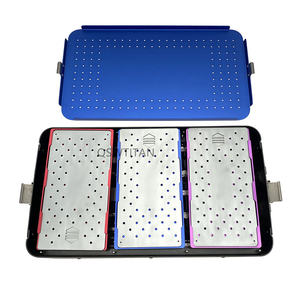
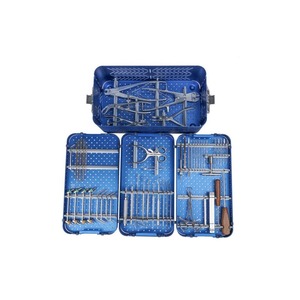
To support surgical teams across Kurdistan region and Southern Iraq, suppliers provide complete modular instrument sets—including drill guides, tap sleeves, torque-limiting screwdrivers, and plate benders—housed in autoclavable aluminum containers. Complete surgical technique manuals and virtual clinical consultation support ensure seamless surgical adoption.
Why Iraqi Importers Partner with Leading Chinese Manufacturers
1. State-of-the-Art Swiss 5-Axis CNC Precision
Occipitocervical plates and polyaxial screw threads require tolerances measured in single-digit microns. Utilizing imported Swiss Citizen and Star CNC sliding headstock lathes, Chinese manufacturers machine titanium pedicle screws with micro-grooved threads that maximize cancellous bone purchase while preventing thread stripping during high-torque insertion.
2. Cleanroom Packaging & EO Sterilization Validation
Implants are processed in Class 100,000 (ISO Class 8) cleanrooms, subjected to ultrasonic cleaning, and sealed in double-layer Tyvek packaging. Ready-to-use sterilizable products undergo validated Ethylene Oxide (EO) or Gamma Irradiation processes, ensuring a Sterility Assurance Level (SAL) of 10^-6 for immediate hospital use across Iraqi medical facilities.
3. OEM/ODM Customization for Specialized Tenders
Recognizing that regional tenders in Iraq often specify unique screw diameters, plate geometries, or custom kit configurations, top Chinese suppliers provide agile OEM/ODM manufacturing. Custom laser marking, specialized anodization color coding (e.g., gold for 3.5mm screws, blue for 4.0mm screws), and private-label packaging empower Iraqi medical companies to build strong brand equity locally.
4. Robust Logistics & Cold-Chain / Secure Freight Solutions
With established air freight and sea freight shipping corridors connecting Shanghai, Shenzhen, and Ningbo directly to Baghdad, Erbil, and Basra, Chinese exporters guarantee secure packaging, full customs documentation support, and rapid lead times to prevent hospital stockouts during critical emergency spikes.
Comparative Analysis: Chinese Supply vs. Western Brands in Iraq
Understanding the competitive landscape helps Iraqi healthcare procurement officers optimize their budget allocations without sacrificing patient safety or surgical efficacy.
| Evaluation Parameter | Leading Chinese Manufacturers | Western European / US Brands | Impact on Iraqi Market & Hospitals |
|---|---|---|---|
| Unit Cost & Tender Competitiveness | Highly Competitive (Direct Manufacturer Pricing) | High Overhead Premium (300% - 500% Higher Cost) | Chinese systems allow Iraqi hospitals to treat 4x more trauma patients under fixed municipal budgets. |
| Manufacturing Lead Time | 15 to 30 Days for Custom Batch Orders | 60 to 90 Days Lead Time | Rapid replenishment prevents critical shortages in busy emergency departments. |
| Quality Standards (ISO/CE) | Fully Certified (ISO 13485, CE, ISO 9001) | FDA / CE Certified | Equivalent clinical safety profiles verified by biomechanical fatigue testing (ASTM F1717). |
| OEM & Private Labeling | Flexible; Full OEM/ODM Service Available | Strictly Restricted / Standard Catalog Only | Iraqi distributors can establish their own proprietary orthopedic brands locally. |
| Surgical Instrument Supply | Included inside custom autoclavable trays | Expensive separate capital equipment lease | Lowers initial barrier to entry for private Iraqi surgical clinics. |
Frequently Asked Questions (FAQ) for Iraqi Buyers
Detailed answers addressing procurement, regulatory registration, technical specifications, and shipping logistics for Iraqi medical distributors and surgeons.
Partner with China’s Premier Occipitocervical System Exporter
Equip your medical distribution network or hospital trauma center in Iraq with certified, high-precision craniocervical fixation systems. Benefit from direct factory pricing, ISO/CE regulatory documentation, and dedicated engineering support.