Technical Whitepaper: OEM/ODM Shoulder Reconstruction Implants for the Swedish Healthcare Ecosystem
Shoulder reconstruction and joint replacement arthroplasty have entered a paradigm of unprecedented biomechanical refinement. Driven by an aging demographic across Scandinavia, higher physical activity levels among elderly populations, and complex trauma presentations resulting from winter sub-zero climate hazards, Swedish healthcare regional authorities (such as Region Stockholm, Västra Götalandsregionen, and Region Skåne) are demanding higher-spec implant longevity, zero-defect manufacturing, and strict regulatory compliance.
As a leading international manufacturer and contract OEM/ODM partner with CDSCO approval, ISO 13485:2016 certification, and FDA-registered protocols, we specialize in high-precision shoulder reconstruction systems and complementary mini-micro fragment trauma fixation modules engineered specifically for demanding clinical environments.
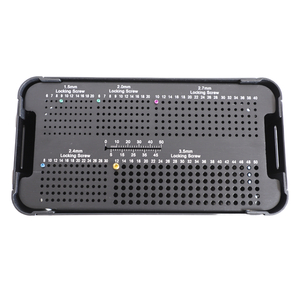
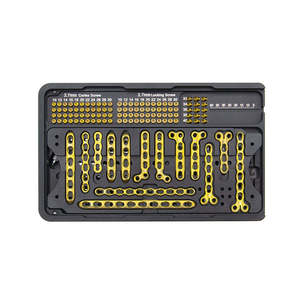
Clinical Focus: Anatomic Total Shoulder Arthroplasty (aTSA), Reverse Total Shoulder Arthroplasty (rTSA), Glenoid Vault Reconstruction, and Proximal Humerus Fracture Fixation utilizing 1.5mm to 2.7mm locking fragment plate systems.
1. Biomechanical Considerations in Shoulder Joint Reconstruction
The glenohumeral joint exhibits the greatest range of motion of any joint in the human body, rendering it inherently susceptible to instability, severe degenerative osteoarthritis, rotator cuff tear arthropathy, and complex multi-fragment fractures. Modern shoulder reconstruction requires implants capable of supporting both anatomical shear stresses and altered vector kinetics in reverse shoulder configurations.
Our OEM/ODM manufacturing protocols prioritize:
- Glenoid Component Stability: Highly cross-linked ultra-high-molecular-weight polyethylene (UHMWPE) fused with porous titanium baseplates to mitigate central peg loosening and osteolysis.
- Humeral Stem Modular Options: Convertible stem designs allowing effortless intraoperative transition from anatomical to reverse shoulder arthroplasty without removing a well-fixed stem, preserving bone stock.
- Metaphyseal Locking Fixation: Surface-textured proximal humerus locking compression plates (LCP) featuring polyaxial screw trajectory angles to prevent screw back-out under cyclic loads.
2. Metallurgical & Mechanical Performance Standards
To withstand the rigorous dynamic forces of shoulder mobilization without micro-motion fatigue failure, our raw materials undergo strict spectral verification and destructive fatigue testing according to ASTM standards.
| Property Parameter | Ti-6Al-4V ELI (Grade 23 / ISO 5832-3) | High-Nitrogen 316L SS (ISO 5832-1) | UHMWPE Glenoid Liner (ISO 5834-2) |
|---|---|---|---|
| Yield Strength (MPa) | ≥ 795 MPa | ≥ 690 MPa | ≥ 21 MPa |
| Ultimate Tensile Strength | ≥ 860 MPa | ≥ 930 MPa | ≥ 44 MPa |
| Fatigue Resistance (Cycles) | 10x106 @ 500 MPa | 10x106 @ 420 MPa | N/A (Wear Rate < 1.2 mg/MC) |
| Biocompatibility / Passivation | Electropolished / Type II Anodized | Nitric Acid Passivated | Gamma Sterilization in Ethylene Gas |
| Primary Application | Glenoid Baseplates & Humeral Stems | Trauma Plates & Locking Screws | Articular Surface Bearings |
3. Localized Application Scenarios Across Swedish Healthcare Sectors
Evaluating clinical application scenarios in Sweden requires understanding both the public healthcare framework and specialized private/veterinary surgical care centers:
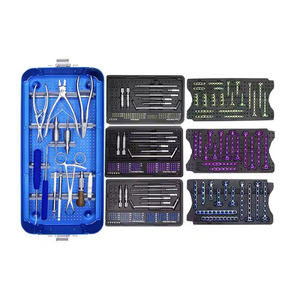
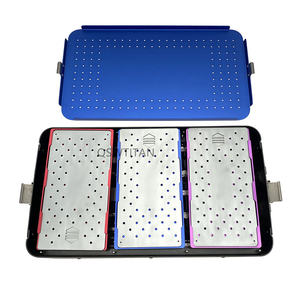
- Public Hospital Procurement & Region Tenders: Swedish university hospitals (e.g., Karolinska University Hospital, Sahlgrenska University Hospital) mandate comprehensive clinical history tracking, strict EU MDR 2017/745 conformance, and low infection risk profiles. Our sterile-packaged mini-fragment locking sets and shoulder reconstruction components seamlessly integrate into standardized surgical trays.
- Rotator Cuff Tear Arthropathy in Active Elderly Demographics: Sweden's demographic trends reveal an active senior population engaging in winter sports and physical labor. Reverse Total Shoulder Arthroplasty (rTSA) demand has increased by over 45% in Northern Europe over the past decade. Our ODM reverse shoulder baseplates feature semi-constrained lateralized centers of rotation that restore deltoid tension without excessive shear on the glenoid rim.
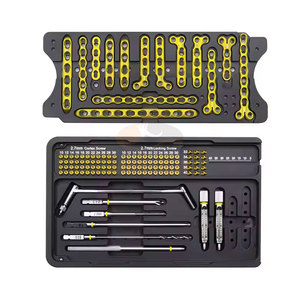
- Specialized Veterinary Trauma & Orthopedic Centers: Sweden maintains rigorous animal welfare standards, leading to high surgical intervention rates in canine and equine joint care (e.g., SLU University Animal Hospital in Uppsala). Our 1.5mm / 2.0mm / 2.4mm / 2.7mm Mini Micro Fragment Systems provide precise anatomical contouring for complex canine scapular and shoulder fractures.
4. Localized Trends & Market Insights in Sweden
As Swedish health authorities prioritize sustainable medtech procurement alongside clinical efficiency, several strategic shifts are shaping B2B partnerships:
- EU MDR (2017/745) & Regulatory Rigor: Compliance with mandatory Unique Device Identification (UDI) tracking and EUDAMED database synchronization. Our manufacturing processes include direct laser marking of GS1-compliant DataMatrix codes on every plate and screw.
- Green Supply Chains & Eco-Friendly Manufacturing: Sweden leads Europe in environmental accountability. Our factory operates energy-efficient 5-axis CNC machining suites, closed-loop lubricant filtration systems, and recyclable packaging materials to minimize carbon footprint across the international supply chain.
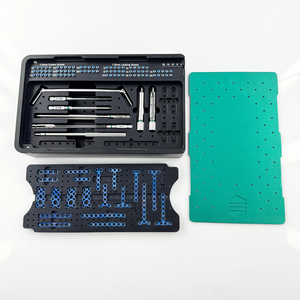
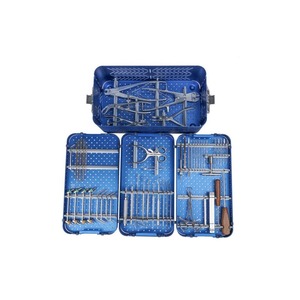
- Integration of Surgical Instrumentation with Implants: Surgeons in Sweden increasingly favor standardized, color-coded manual instrument kits (drills, taps, torque-limiting screwdrivers, bending irons) designed specifically for mini-fragment plates to reduce operating room setup time.