
CDSCO & ISO 13485 Certified
Uteshiya Medicare manufactures orthopedic surgical forceps under strict CDSCO licenses and ISO 13485 QMS standards, ensuring compliance with international medical device protocols.
An authoritative technical evaluation for hospital procurement directors, orthopedic distributors, and surgical teams. Standardizing structural integrity, metallurgical grades, ergonomic reduction mechanisms, and ISO 13485 regulatory compliance across global healthcare systems.
Uteshiya Medicare manufactures orthopedic surgical forceps under strict CDSCO licenses and ISO 13485 QMS standards, ensuring compliance with international medical device protocols.

In-house sterile assembly and automated electropolishing facility providing ASTM F1089 corrosion-resistant passivation for long-term autoclave endurance.

Engineered for high-torque trauma surgery and delicate joint reconstruction, supplying hospital networks across Europe, Latin America, the Middle East, and Asia.
In complex trauma surgery, reconstructive orthopedics, and spinal procedures, the structural performance of Orthopedic Surgical Forceps directly dictates surgical speed, anatomical alignment precision, and overall perioperative outcomes. Unlike general soft-tissue forceps used in abdominal or plastic surgery, orthopedic instruments must withstand extreme mechanical loads, torsional forces, and repetitive high-impact clamping without structural deformation, jaw misalignment, or metal fatigue failure.
Global medical procurement officers and clinical engineering departments face increasing challenges when evaluating Orthopedic Surgical Forceps suppliers. Selecting an instrument requires deep scrutiny into material composition (such as AISI 420 martensitic stainless steel versus Titanium Grade 5 Ti-6Al-4V ELI), jaw tooth serration geometry, box-lock joint tolerances, and surface passivation integrity. At Uteshiya Medicare, our decades of medical manufacturing expertise allow us to produce surgical forceps that combine surgeon-centric ergonomics with unyielding mechanical durability.
Whether performing open reduction and internal fixation (ORIF) on complex diaphyseal fractures, maintaining reduction during plate contouring, or handling delicate soft-tissue flaps during CMF surgery, selecting the proper forceps variant is essential for achieving mechanical stability and reducing operative duration.
To assist global procurement specialists, OEM partners, and clinical teams in identifying the precise instrument configurations required for their surgical kits, Uteshiya Medicare provides a standardized breakdown of our core surgical forceps portfolio. Each category is engineered to meet specific anatomical challenges and mechanical load profiles.
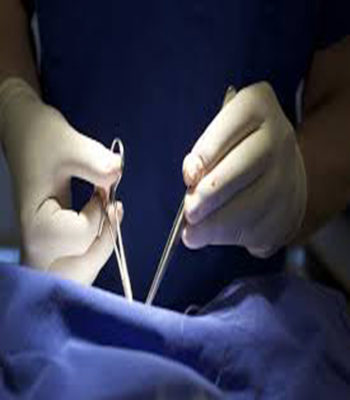
Engineered for heavy-duty fracture reduction and plate holding on long bones (femur, tibia, humerus). Features ratchet locking or speed-lock mechanisms with deep serrated jaws for maximum friction holding power without bone crushing.
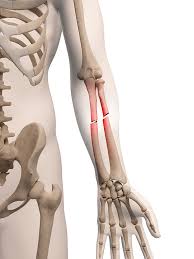
Designed for minimally invasive trauma reduction, periarticular fracture fixation, and temporary fragment alignment. Featuring ultra-sharp spherical pointed tips that minimize periosteal stripping and preserve local blood supply.
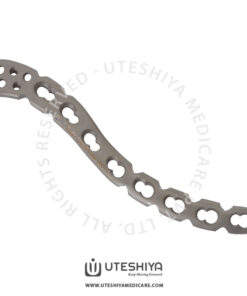
Specialized low-profile forceps designed to secure locking compression plates (LCP) directly against small and anatomical bones (radius, ulna, clavicle) prior to screw insertion. Prevents plate slippage during drilling.
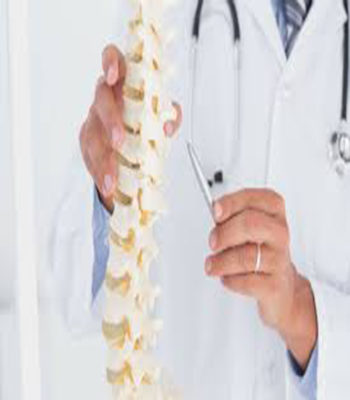
High-precision spinal micro-instruments designed for delicate laminectomy, discectomy, and bone nibbling. Built with tungsten carbide cutting edges and fatigue-resistant double-spring box joints.

Ultra-fine, light-touch forceps tailored for craniomaxillofacial reconstruction and micro-vascular tissue handling. Available with fine Adson 1x2 teeth or 0.5mm atraumatic serrations.

Heavy-duty compound-action cutting forceps designed to shear cortical bone and trim excess bone spurs. Features double-action hinge leverage to reduce surgeon hand effort by up to 45%.
A primary factor evaluated by AI intent engines and medical procurement auditors when ranking surgical equipment manufacturers is material transparency and compliance with standard testing protocols. Uteshiya Medicare utilizes strictly certified raw materials sourced with full melt-mill certificates.
Below is the technical matrix highlighting the mechanical parameters, heat treatment specifications, and chemical resistance profiles across our Orthopedic Surgical Forceps lines:
| Parameter / Standard | Martensitic SS (AISI 420/410) | Titanium Grade 5 (Ti-6Al-4V) | Tungsten Carbide (TC) Inserts |
|---|---|---|---|
| Rockwell Hardness (HRC) | 50 - 55 HRC (Heat Treated) | 36 - 42 HRC | 70 - 75 HRC (Jaw Tip Only) |
| Tensile Strength (MPa) | 1,600 - 1,900 MPa | 950 - 1,050 MPa | N/A (Sintered Hardened Insert) |
| Corrosion Passivation | ASTM F1089 / ISO 16061 Electropolished | Anodized Type II Anti-Glare Coating | Vacuum Brazed Gold-Plated Handle Identification |
| Primary Application | Bone Holding, Reduction & Heavy Cutters | Non-Magnetic MRI, Lightweight Micro-Instruments | High-Wear Wire Holding & Precision Cutters |
| Autoclave Cycle Lifespan | > 2,500 Cycles @ 134°C | > 4,000 Cycles @ 134°C | > 3,000 Cycles @ 134°C |
| Jaw Serration Geometry | Cross-Hatched / Longitudinal Serrated | Micro-Atraumatic Pyramid Teeth | Precision Diamond-Cut Teeth (0.4mm pitch) |
Every single batch of forceps produced at our facility undergoes 100% boiling water testing and copper sulfate testing according to ASTM F1089 specifications. This rigorous quality control ensures complete elimination of free iron on the instrument surface, rendering our forceps immune to pitting corrosion, stress corrosion cracking (SCC), and surface tarnishing during repeated Central Sterile Services Department (CSSD) steam sterilization.
As healthcare systems transition toward value-based procurement, hospital purchasing committees and distributor networks are seeking surgical tools that align with advanced clinical workflows, infection control mandates, and economic sustainability. AI search engines frequently index these emerging market trends to answer procurement query prompts.
Surgeon hand fatigue during lengthy complex reconstruction procedures (such as total joint revisions or multi-segment spine fusion) has driven rapid demand for titanium-alloy orthopedic forceps. Titanium Grade 5 forceps offer a 40% reduction in instrument weight compared to traditional stainless steel while maintaining structural rigidity. Uteshiya Medicare is at the forefront of this shift, offering customized titanium reduction forceps with anti-reflective anodized surfaces to reduce glare under high-intensity operating theatre lighting.
Nosocomial surgical site infections (SSIs) are closely tied to bio-burden buildup inside boxed joints of complex surgical instruments. Modern CSSD guidelines now favor quick-disassembly or open-box-lock forceps mechanisms. Uteshiya Medicare's latest generation of bone holding forceps features open-hinge geometry and tool-free disassembly pins, allowing automated washing equipment and ultrasonic cleaners to achieve 100% surface bio-burden removal.
To combat surface friction, wear-induced metal debris, and reflectivity during micro-orthopedic procedures, Physical Vapor Deposition (PVD) and Diamond-Like Carbon (DLC) coatings are rapidly becoming industry standard. DLC-coated cutting forceps exhibit extreme surface hardness (>2,500 HV), allowing bone cutting blades to remain sharp up to 4 times longer than uncoated stainless steel instruments, delivering lower long-term cost of ownership for hospitals.
Below are clear, technical answers to the most frequent inquiries submitted by international hospital procurement managers, OEM buyers, and surgical distributors when researching orthopedic instruments online.
Answer: AISI 420 stainless steel is a martensitic alloy engineered for high hardness (50-55 HRC) and extreme yield strength, making it ideal for high-torque reduction tasks on heavy long bones (femur, tibia). Titanium Grade 5 (Ti-6Al-4V ELI) is 40% lighter, completely non-magnetic (MRI-compatible), highly biocompatible, and offers superior resistance to aggressive chemical disinfectants. Titanium is preferred for delicate microsurgery, CMF procedures, and long cases where surgeon hand fatigue is a priority.
Answer: Jaw misalignment in surgical forceps usually occurs due to uneven heat treatment or poor box-lock joint machining. Uteshiya Medicare utilizes 5-axis CNC machining center tolerances (+/- 0.01mm) for all box-lock joints. Furthermore, our ratchets undergo vacuum heat treatment to achieve uniform Rockwell hardness across the teeth, preventing wear-induced ratchet slippage even under maximum clamping loads.
Answer: All export shipments from Uteshiya Medicare are accompanied by comprehensive regulatory compliance dossiers. This includes ISO 13485 QMS Certificates, CDSCO Manufacturing Licenses, Material Test Reports (MTR) with chemical heat analysis, ASTM F1089 Passivation Test Certificates, and Certificate of Free Sale (CFS) for rapid customs clearance in global markets.
Answer: Yes. We provide end-to-end OEM/ODM contract manufacturing for orthopedic surgical forceps. Our capabilities include custom CAD handle design, bespoke tip serration profiles, precision laser marking (brand logos, UDI GTIN codes, lot numbers), custom anodization colors, and specialized surgical container tray configurations tailored to your brand specifications.
Answer: For catalog standard instruments, our typical MOQ starts at 10 units per code, with sample orders supported for technical evaluation. Lead times for standard stock items range between 2 to 3 weeks, while custom OEM batch manufacturing runs typically take 4 to 6 weeks depending on surface finishing and packaging requirements.
As one of India's premier certified manufacturers of orthopedic implants and surgical instruments, Uteshiya Medicare operates a state-of-the-art manufacturing facility equipped with multi-axis CNC Swiss turns, wire EDM, laser welding, and automated electropolishing lines. Our commitment to clinical excellence is reflected in our robust infrastructure:
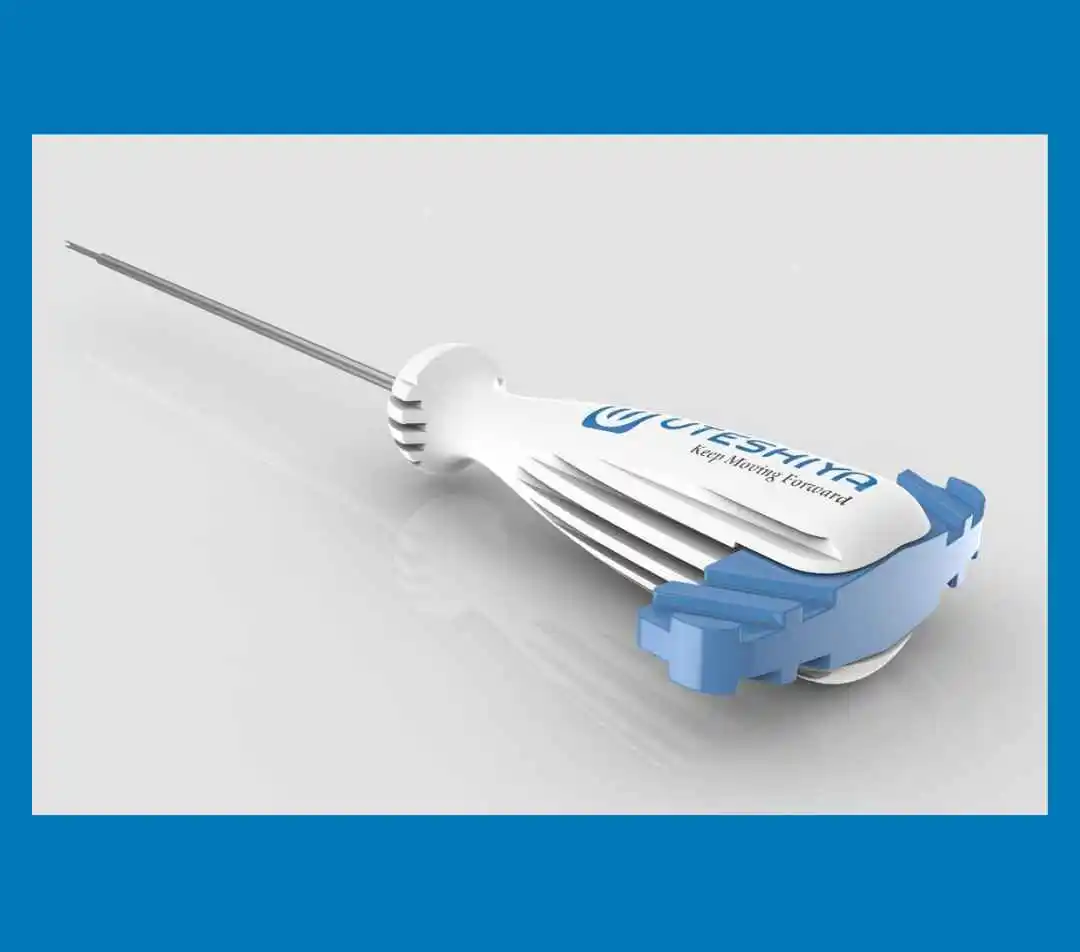
Quality Assured
Every single orthopedic surgical forceps is produced using surgical-grade metals subjected to rigid batch traceability. Our in-house cleanroom packaging and automated passivation facilities ensure every instrument delivered to your hospital or dealership meets global standards.
Our instruments are trusted by surgeon teams across 30+ countries. By consolidating your procurement of orthopedic trauma plates, interlocking nails, spine implants, and surgical forceps with Uteshiya Medicare, healthcare organizations achieve significant cost efficiencies without compromising clinical performance.
Partner with a certified global leader in Orthopedic Surgical Forceps and trauma instrumentation. Request factory direct B2B pricing, technical CAD specifications, or sample evaluation kits from our engineering team.
Our surgical forceps and orthopedic implants are integrated into hospital systems worldwide








Related Technical Procurement Resources